 UniSZA ID
Kaedah pengajaran/penyeliaan dan penilaian
____________________________________________________________________________________________________________________________________________________________________________________
In delivering the Family Medicine curriculum to Year 4 MBBS students, I adopt a structured yet flexible approach that emphasises active learning, clinical exposure, and the development of clinical reasoning skills.Through my teaching experience, I observed that students often struggle to translate theoretical knowledge into real clinical practice. Therefore, my focus is not only on delivering content but also on guiding students to think, analyse, and make clinical decisions holistically.I believe that students learn best when they are given the opportunity to actively participate, reflect, and learn from their experiences, with continuous guidance from the educator.____________________________________________________________________________________________________________________________________________________________________________________
Alignment with Learning Outcomes
____________________________________________________________________________________________________________________________________________________________________________________
All teaching and assessment activities are aligned with the Family Medicine curriculum's Course Learning Outcomes (CLOs).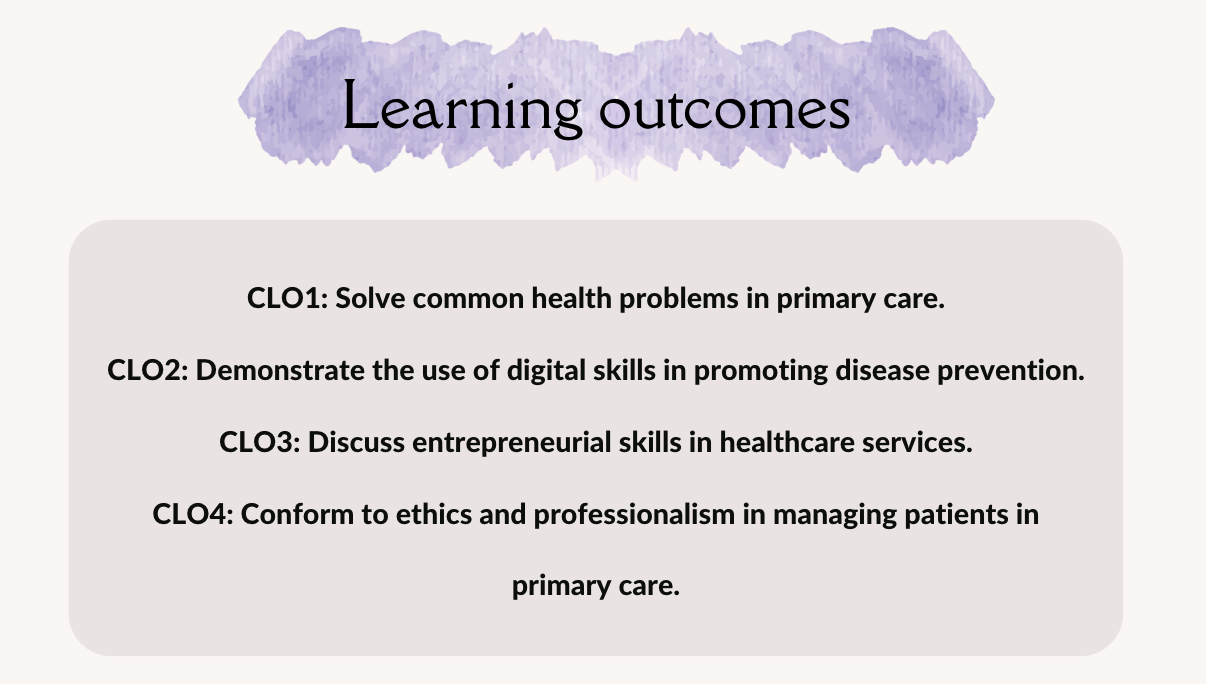 The integration of structured clinical reasoning, experiential learning, and continuous assessment supports students in achieving competencies in:
- Clinical reasoning and decision-making
- Patient-centred care
- Communication skills
- Professionalism
____________________________________________________________________________________________________________________________________________________________________________________
Teaching Methods____________________________________________________________________________________________________________________________________________________________________________________
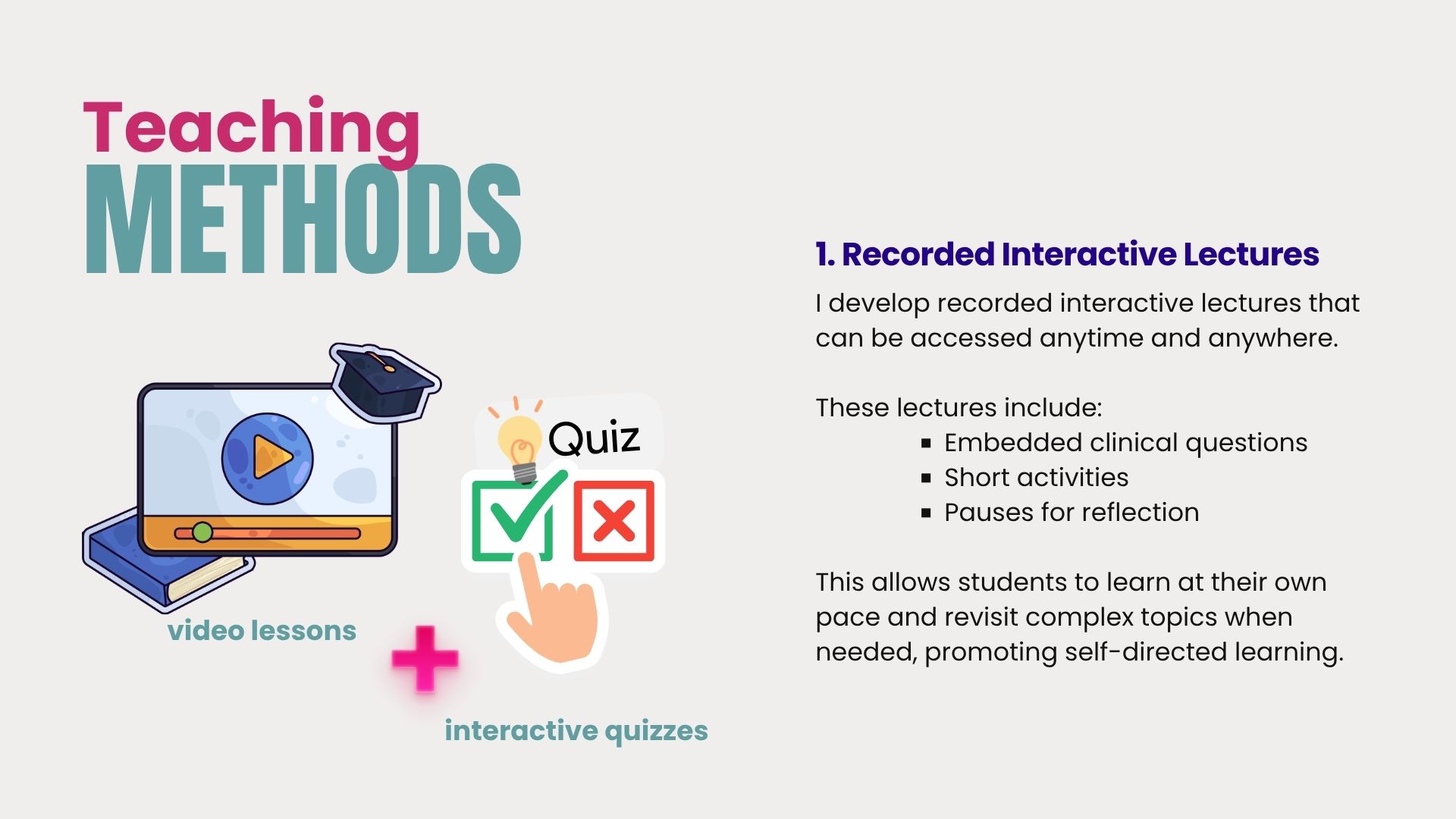
This approach combines recorded interactive lectures with face-to-face sessions (flipped approach).
Students first engage with recorded videos independently, which include embedded questions and short activities to promote active learning.
This is followed by face-to-face sessions where key concepts are discussed in greater depth, allowing students to clarify understanding, apply knowledge, and engage in interactive discussions.
This blended approach enhances engagement, supports self-directed learning, and reinforces understanding through guided discussion.
____________________________________________________________________________________________________________________________________________________________________________________
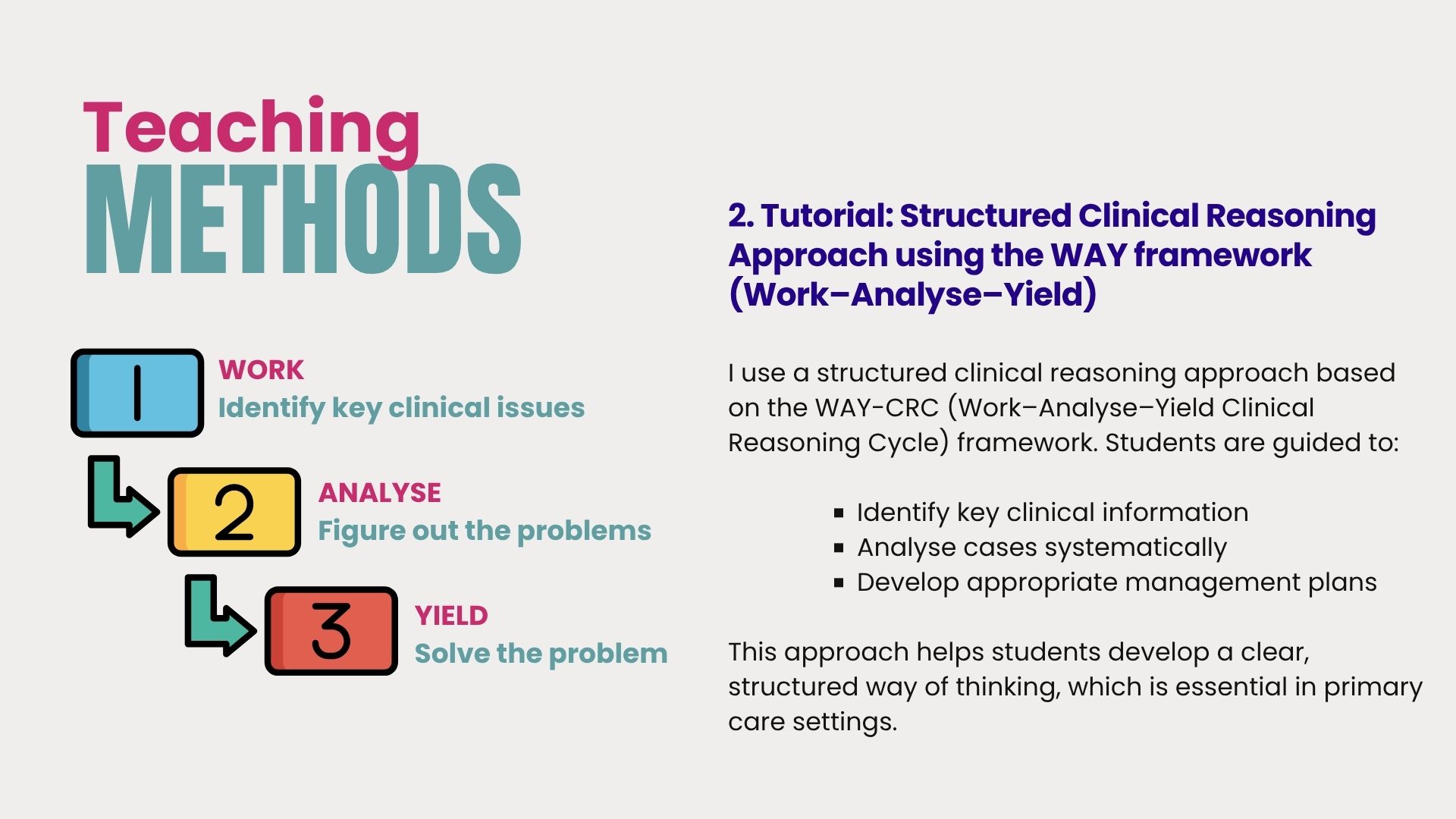
This tutorial uses a structured clinical reasoning approach to guide students through case-based discussions.
Students work through simulated cases by identifying key problems (Work), analysing clinical information (Analyse), and formulating justified management plans (Yield).
This method promotes active participation, systematic thinking, and application of knowledge in clinical contexts, while maintaining engagement during longer tutorial sessions.
____________________________________________________________________________________________________________________________________________________________________________________
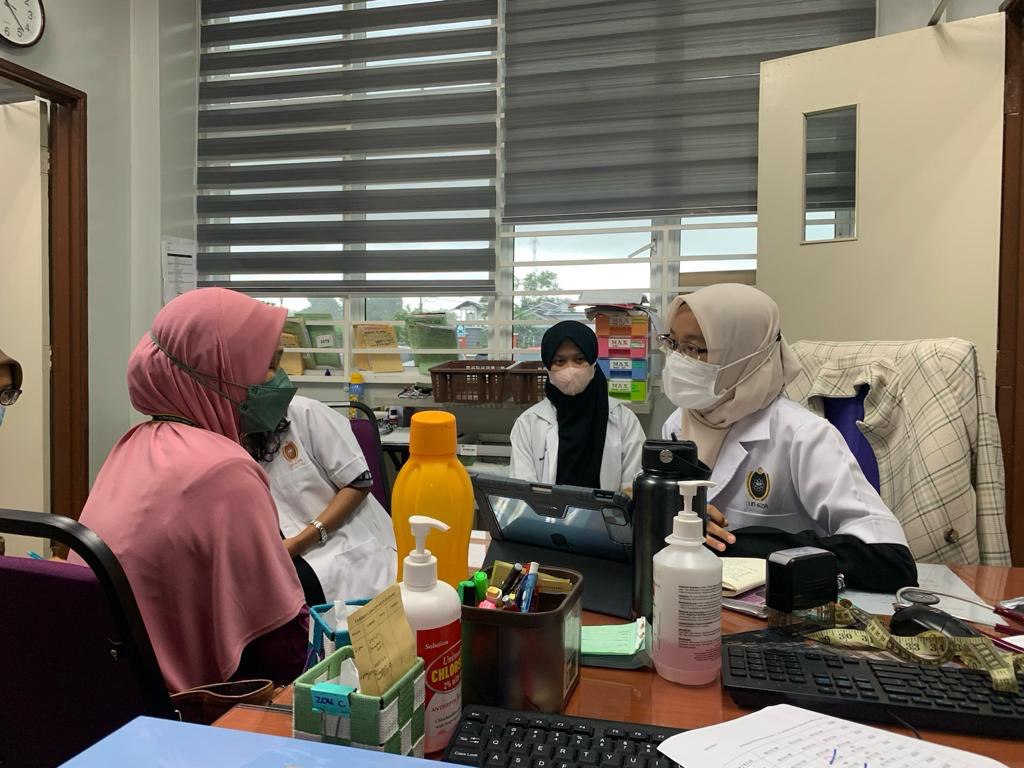
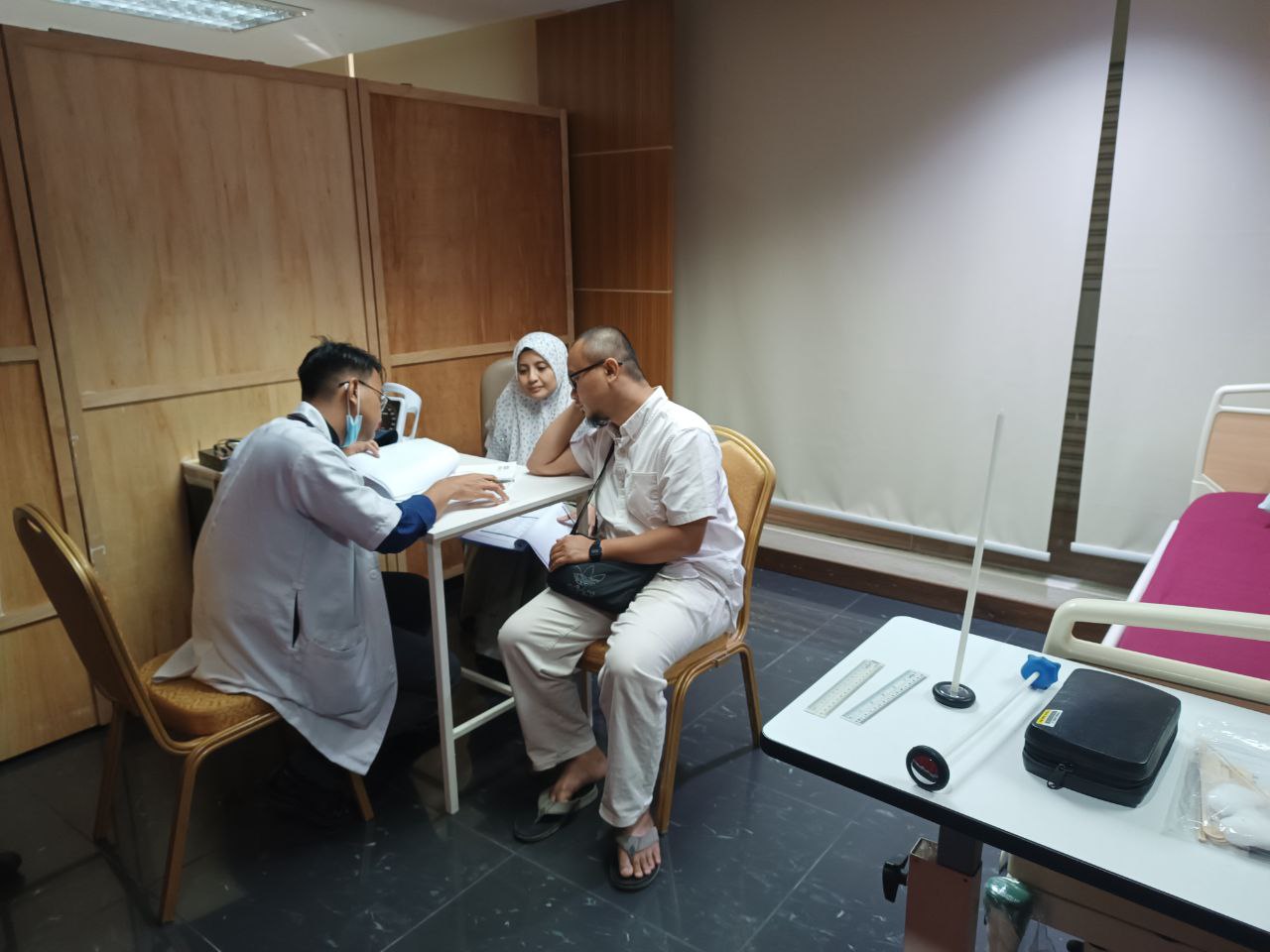
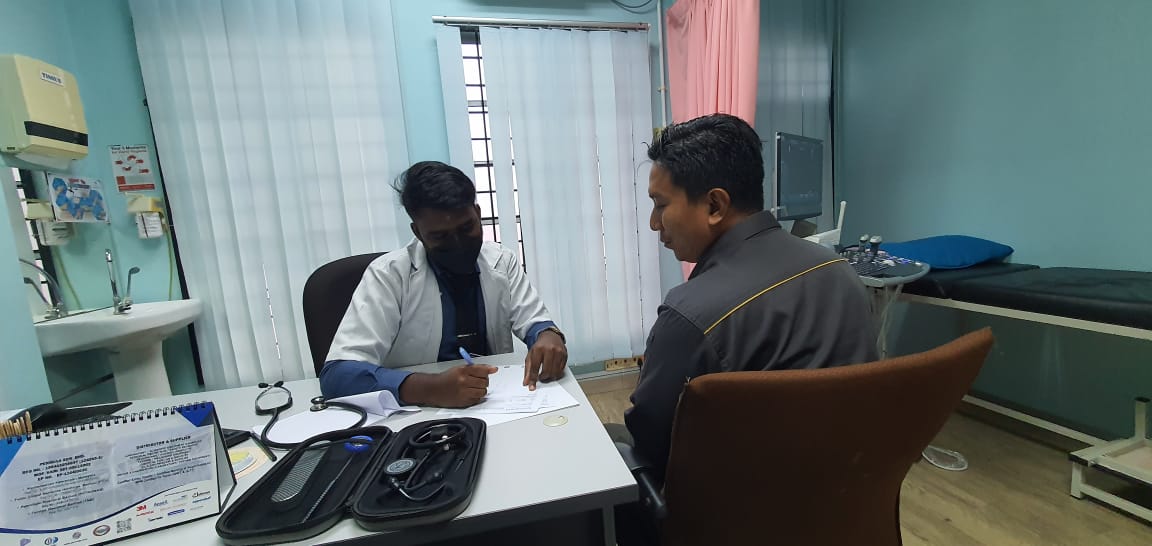
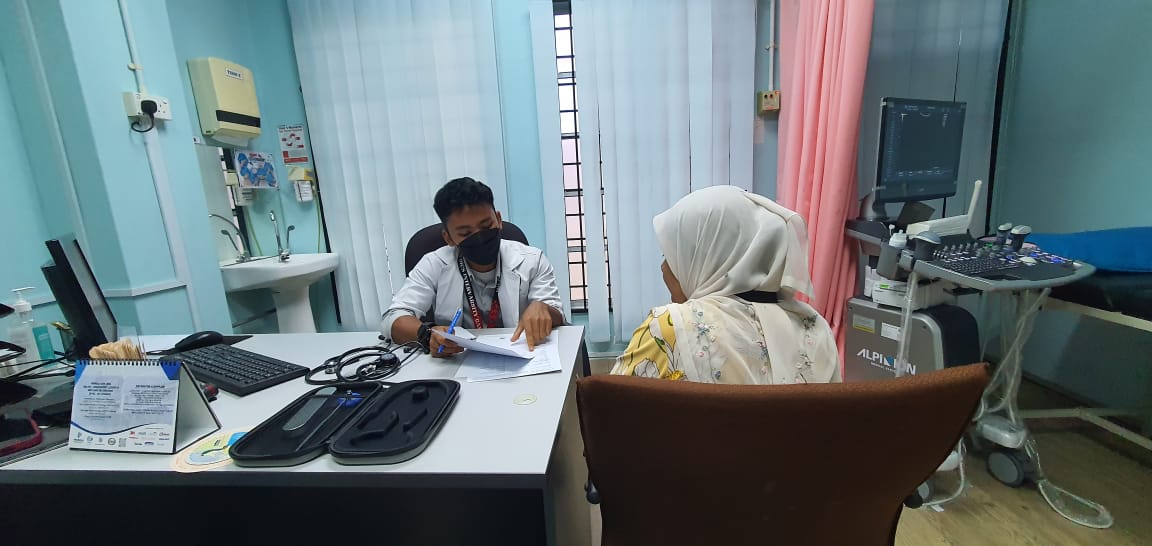
This approach involves learning through real patient encounters in clinical settings.
Students actively participate in history-taking, examination, and management under supervision, thereby applying their knowledge in real-life contexts.
Guided feedback and reflection are incorporated to enhance understanding, clinical skills, and professional development.
____________________________________________________________________________________________________________________________________________________________________________________

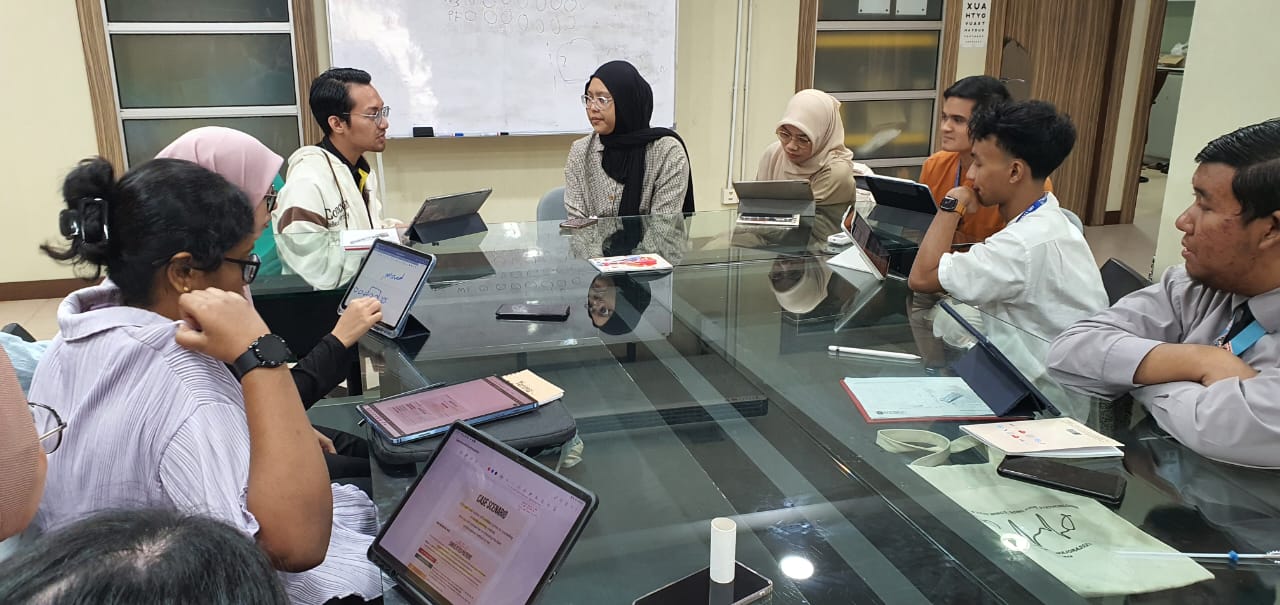
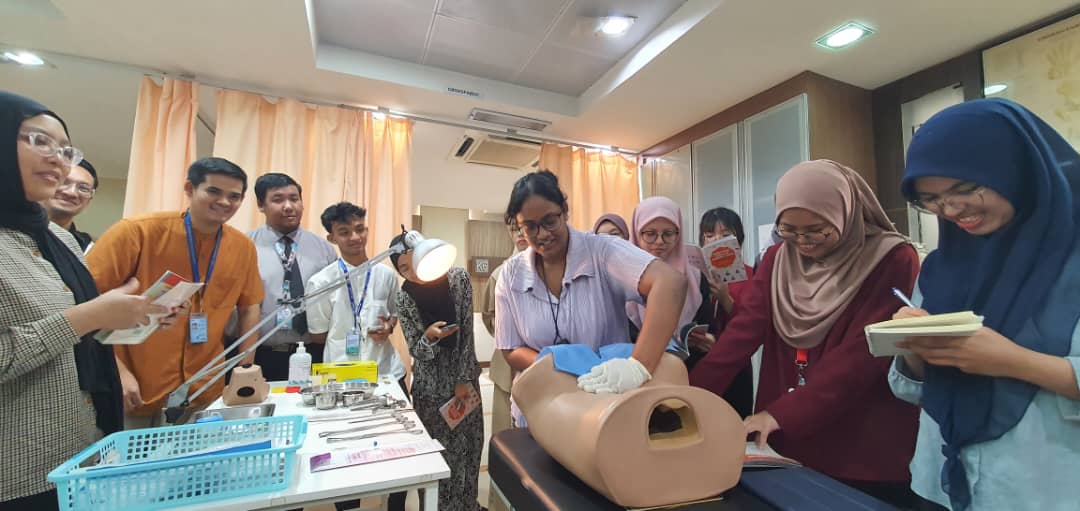
This session adopts a student-centred and interactive approach through game-based learning and role-play activities.
Students engage in scenario-based games that require clinical decision-making, promoting active participation and maintaining attention.
Role-play videos are used as reference materials to demonstrate effective consultation skills, particularly for sensitive topics such as contraception.
Students can revisit these videos for independent learning.
During live sessions (practical class), students participate in simulated doctor–patient interactions, allowing them to practise communication, empathy, and clinical reasoning in a safe environment.
Each activity is followed by brief feedback and reflection to reinforce learning.
This approach enhances engagement, builds confidence, and supports the application of knowledge in real clinical settings.
____________________________________________________________________________________________________________________________________________________________________________________
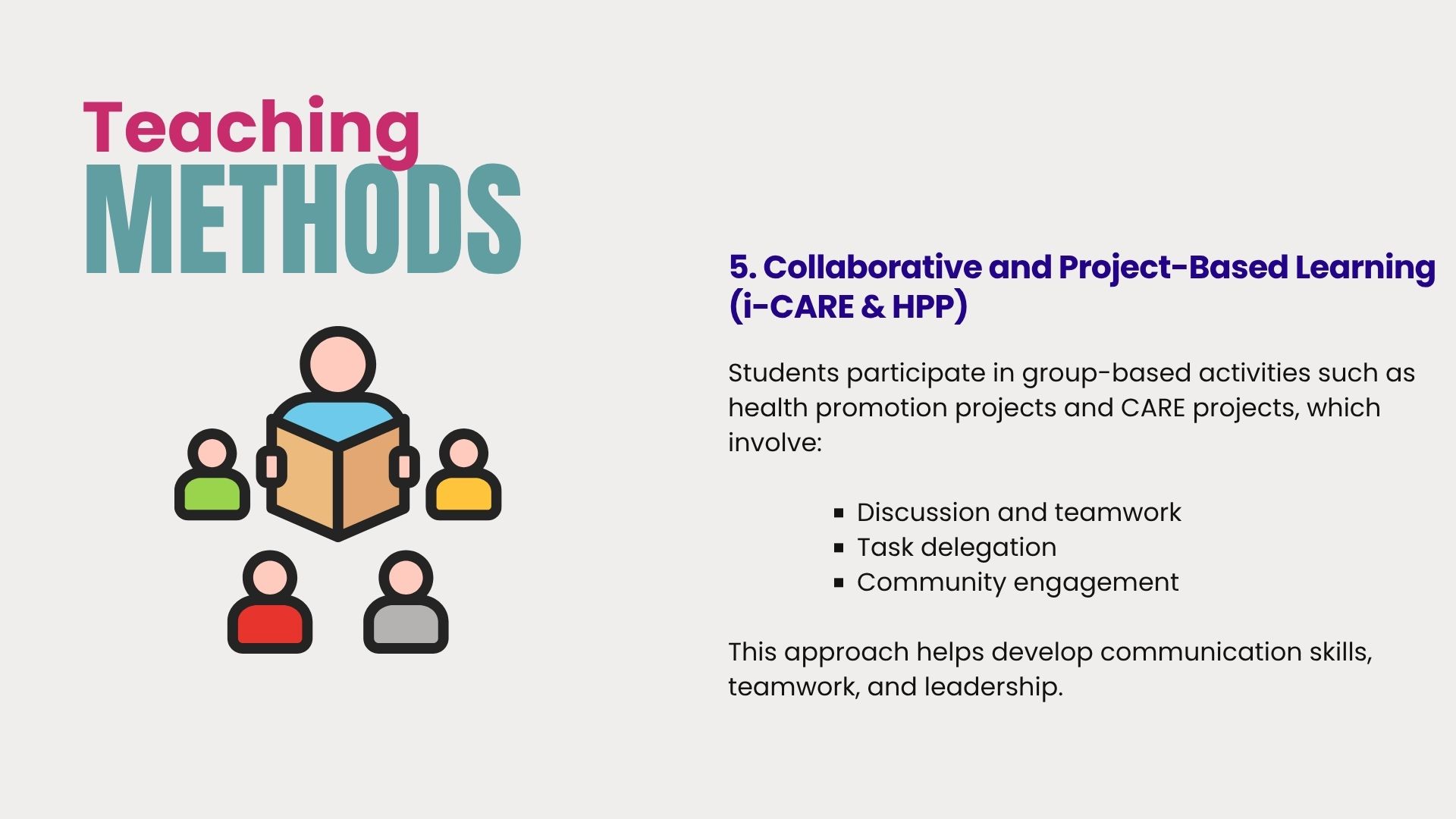
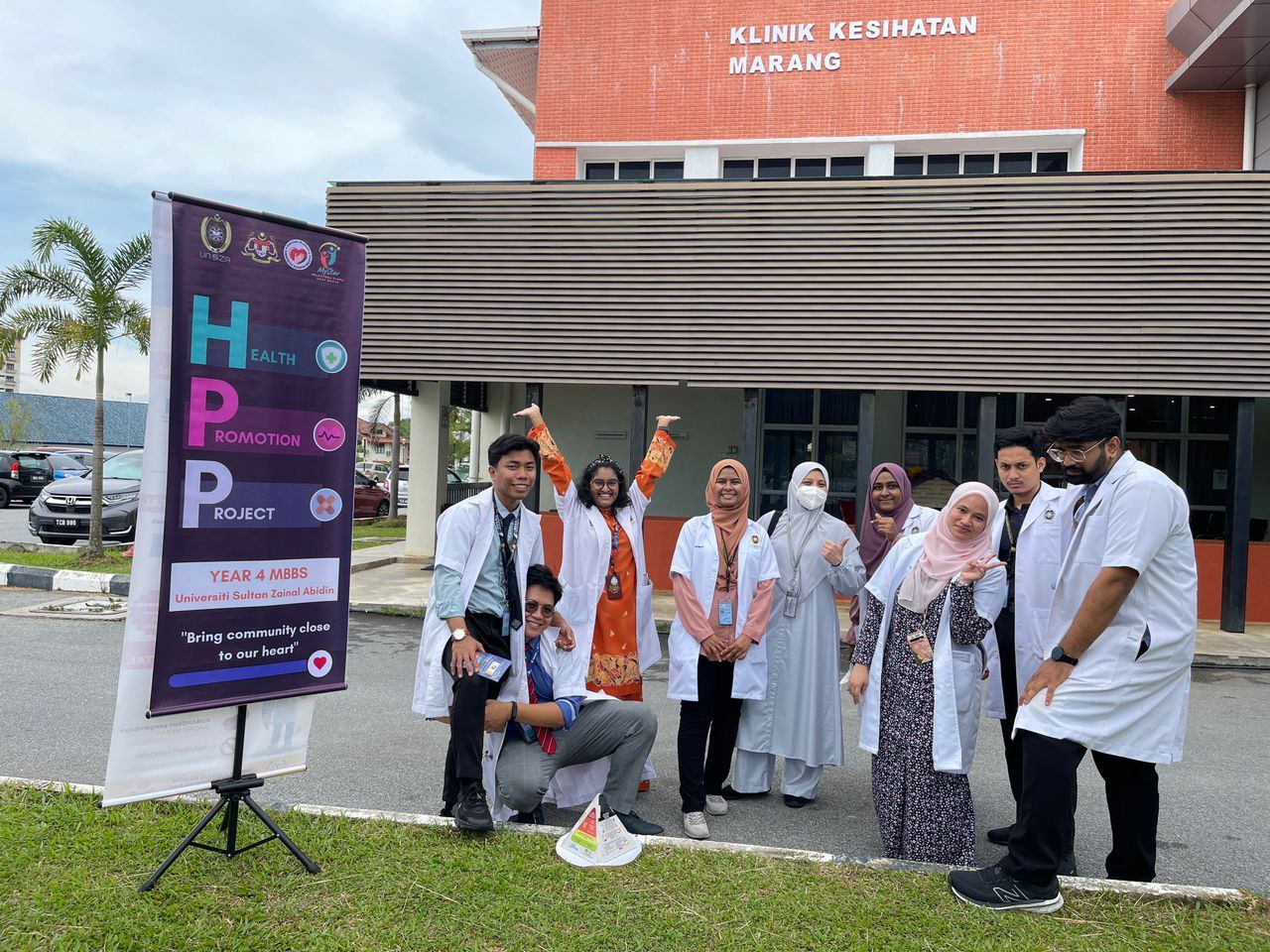
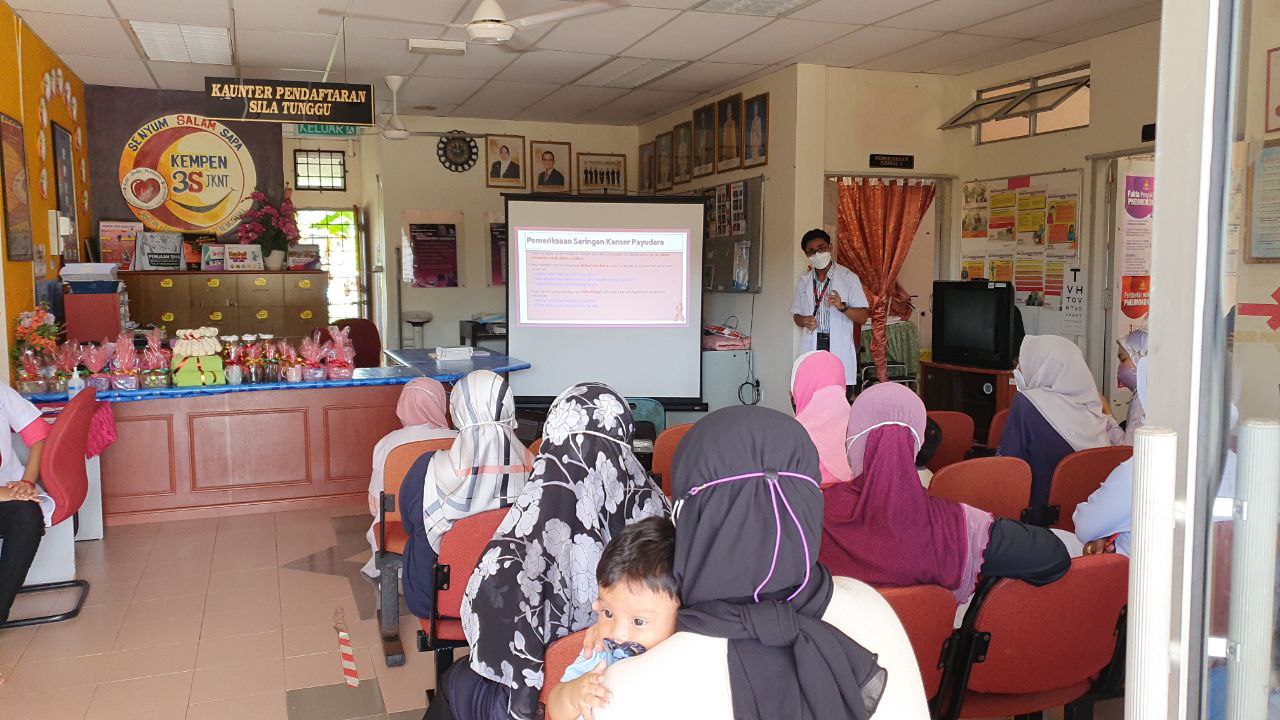
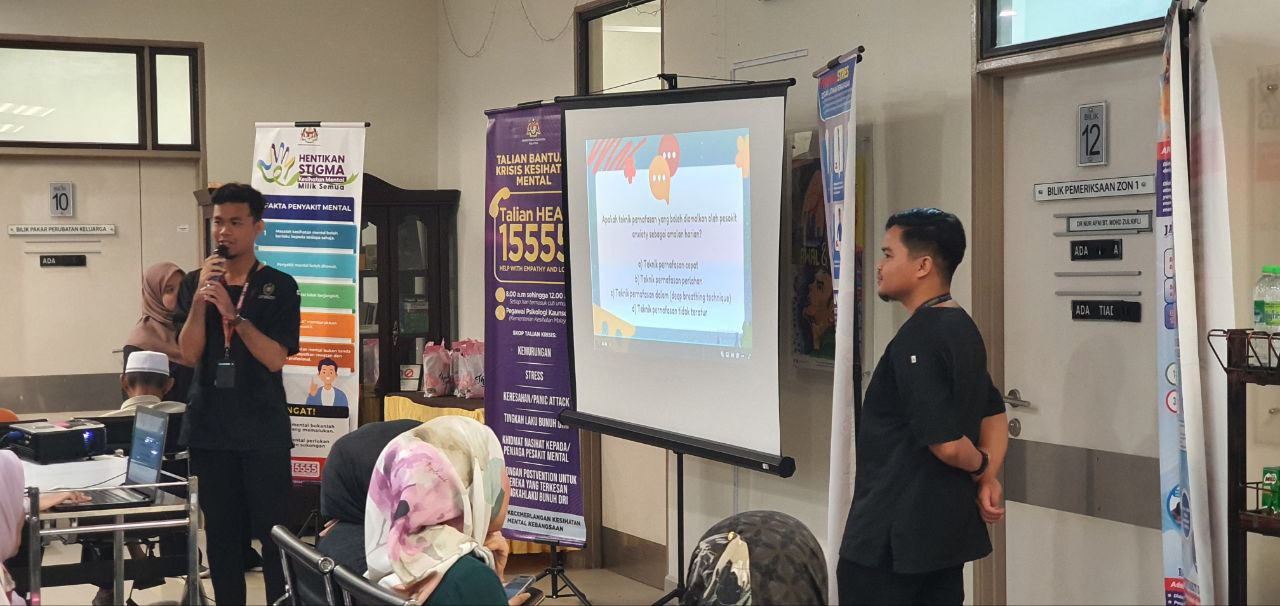
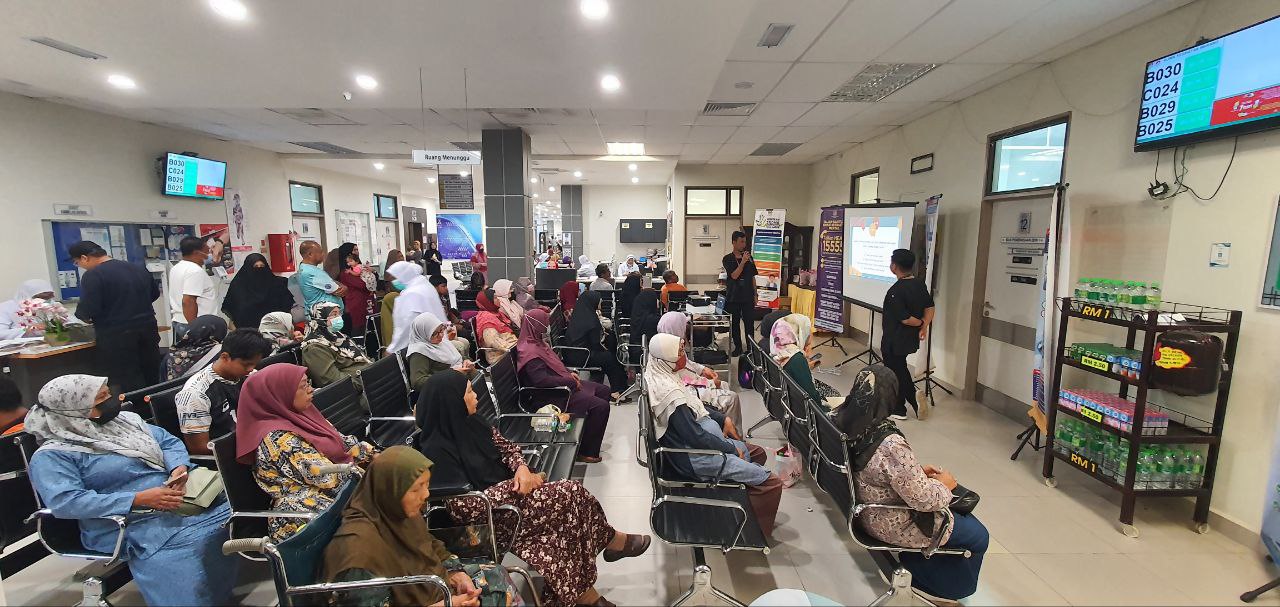
This approach involves collaborative, project-based learning where students work in groups to address real community health issues.
Through HPP and i-CARE projects, students apply their knowledge to design health promotion activities and manage patients using a holistic, biopsychosocial approach.
Students engage in teamwork, problem-solving, and communication, while receiving guidance and feedback throughout the process.
This method promotes active learning, real-world application, and development of professional and interpersonal skills.
- This approach helps develop communication skills, teamwork, and leadership.
____________________________________________________________________________________________________________________________________________________________________________________
Assessment Methods
____________________________________________________________________________________________________________________________________________________________________________________
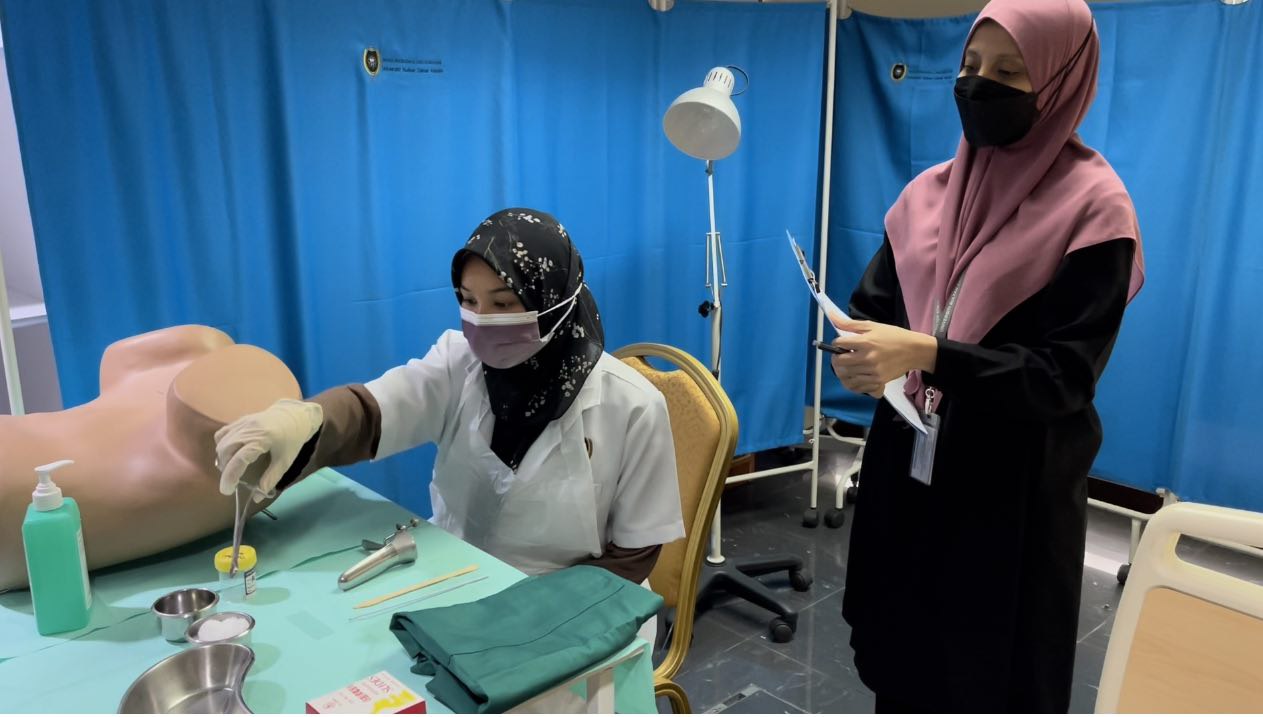
Assessment is conducted using multiple approaches to evaluate students’ knowledge, clinical skills, and professional behaviour.1. Objective Structured Clinical Examination (OSCE) and Observed Consultation (OC)
- Used to assess clinical skills, communication, and professionalism in a structured setting.
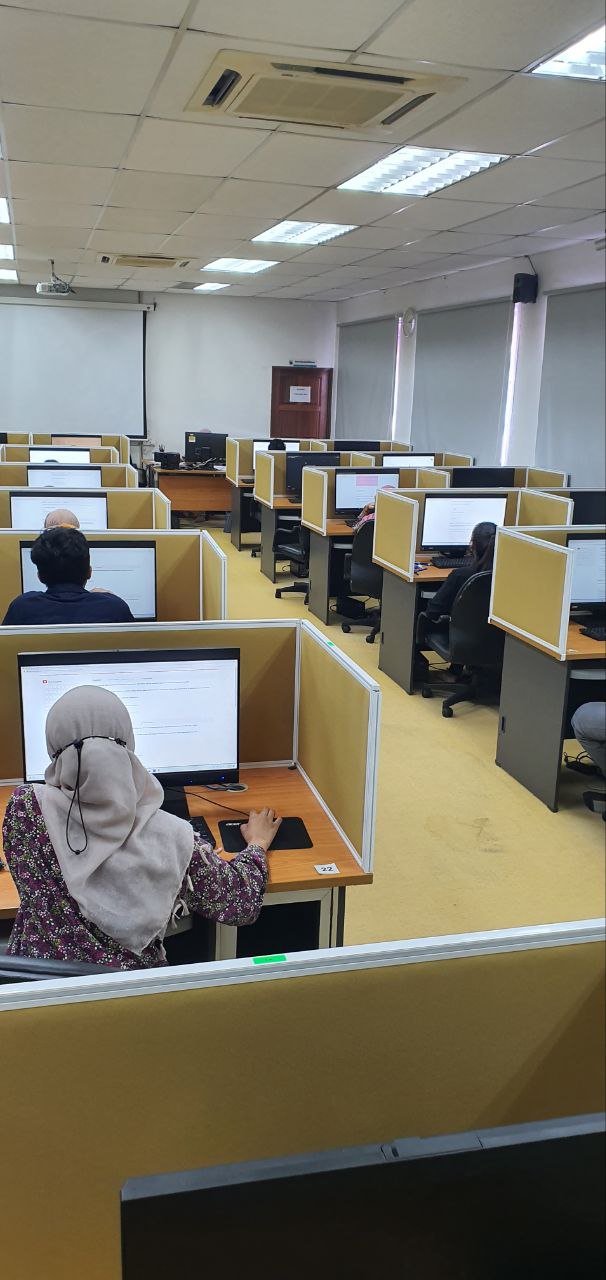
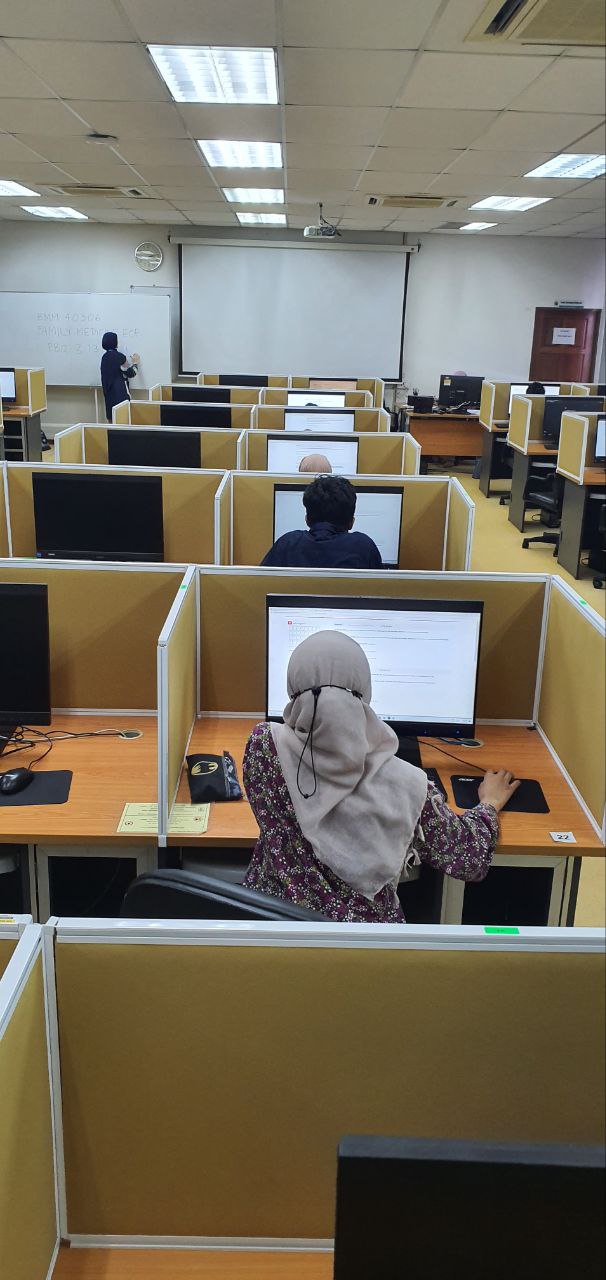
2. Problem-Based Questions (PBQ) and Objective-Based Assessments (OBA)
- These assess students’ ability to apply knowledge in clinical scenarios, particularly in clinical reasoning and decision-making.
3. Continuous Assessment
- Students are assessed throughout the posting based on:
- Viva and Completion of the Digital Logbook
- Reflective and Project-Based Assessment