 UniSZA ID
Inovasi pengajaran dan pembelajaran
__________________________________________________________________________________________________________________________________________________________________________________________________________________________________________________
As an educator, I believe that meaningful learning happens when students are actively engaged, able to think independently, and given the opportunity to apply knowledge in real clinical contexts.
In my experience teaching Year 4 MBBS students in Family Medicine, I frequently observed that students understood theoretical concepts but struggled to apply them in real patient care. They also tended to lose focus during longer teaching sessions and remained passive in conventional lectures.
These observations led me to develop a more structured, interactive, and experiential approach by integrating several complementary teaching strategies to support students' learning, thinking, and effective application of knowledge.
__________________________________________________________________________________________________________________________________________________________________________________________________________________________________________________
Innovative Approach: Integrating Learning Across Different Modalities
__________________________________________________________________________________________________________________________________________________________________________________________________________________________________________________
__________________________________________________________________________________________________________________________________________________________________________________________________________________________________________________
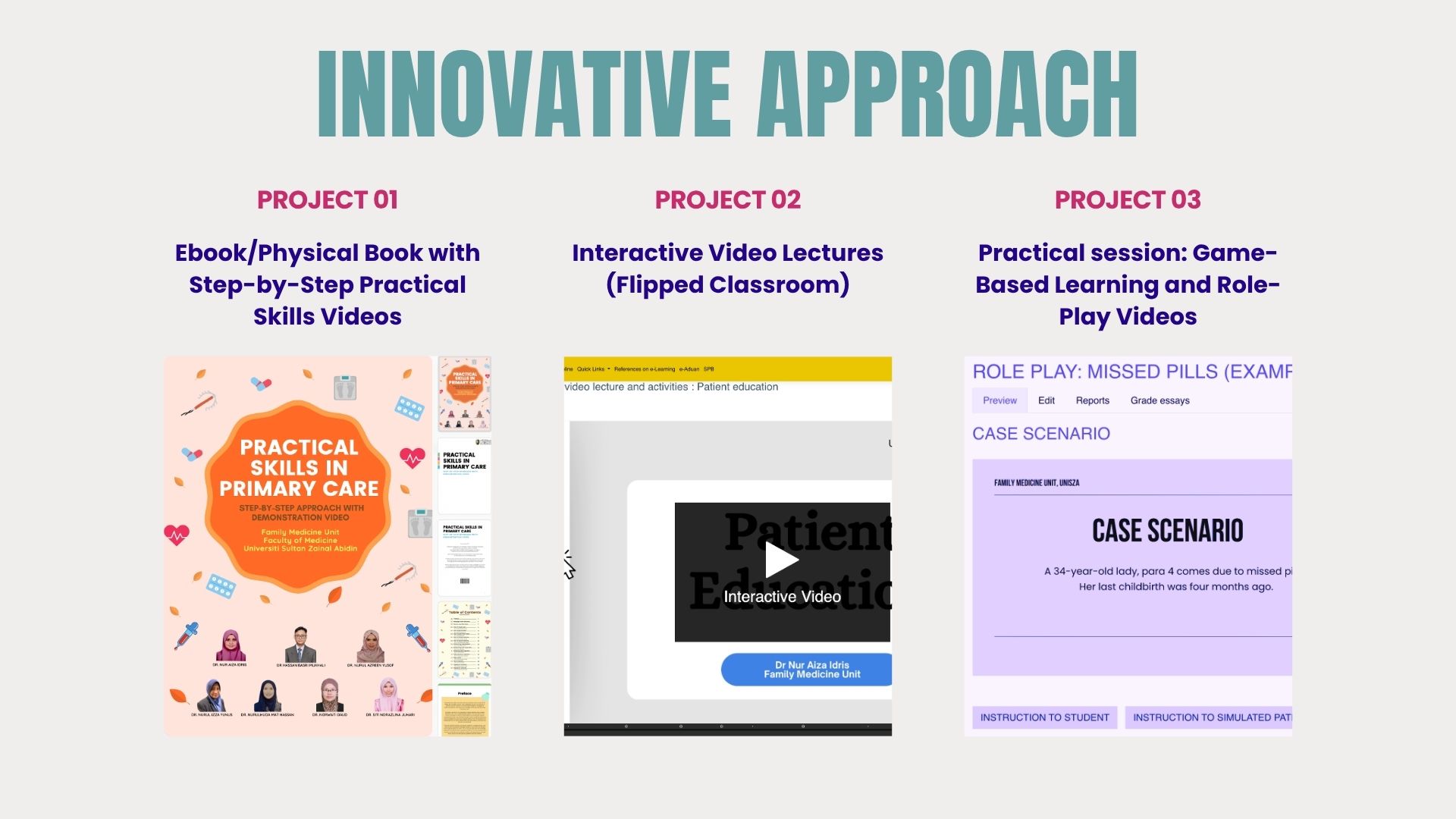
PROJECT 01
__________________________________________________________________________________________________________________________________________________________________________________________________________________________________________________
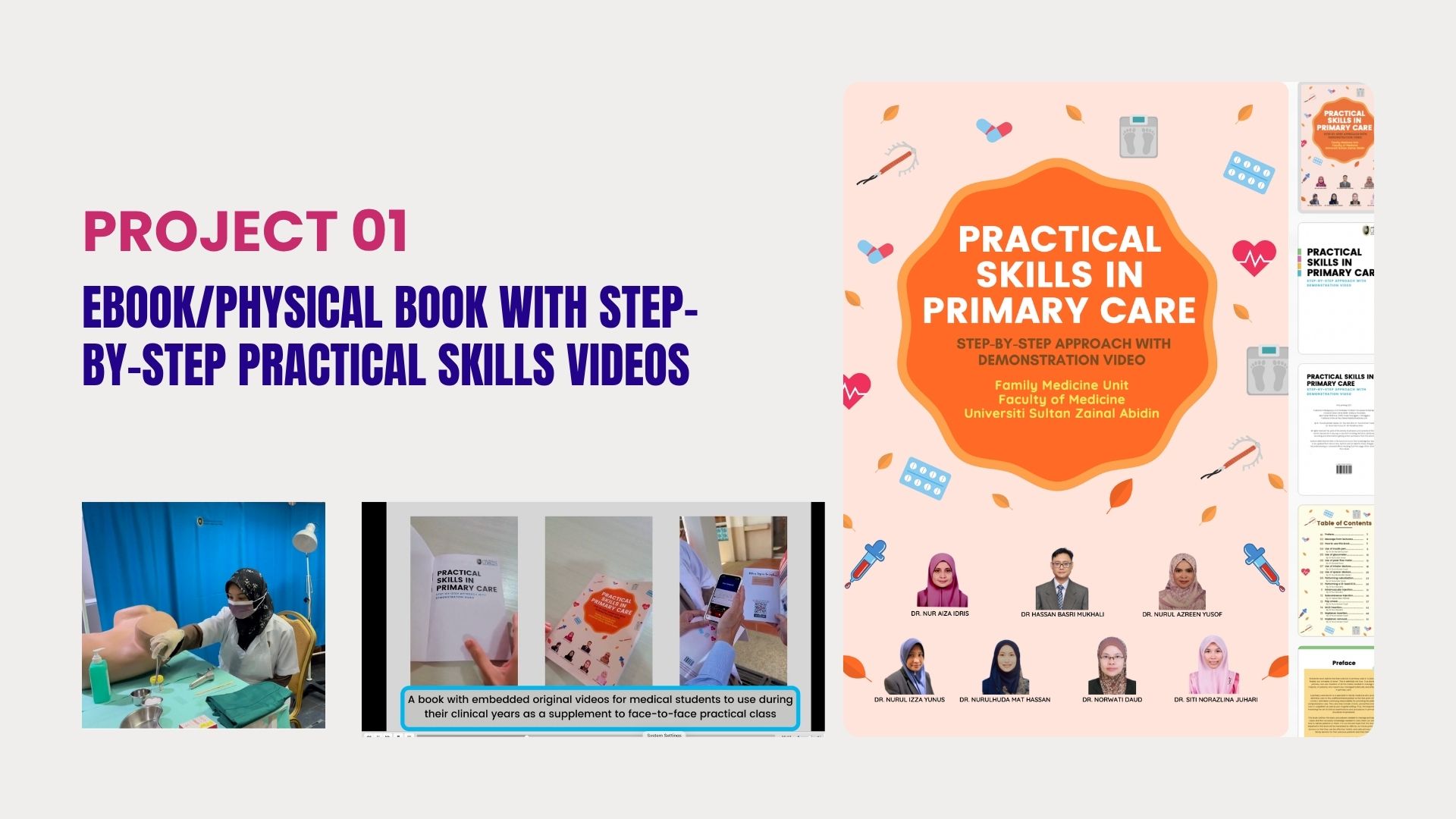
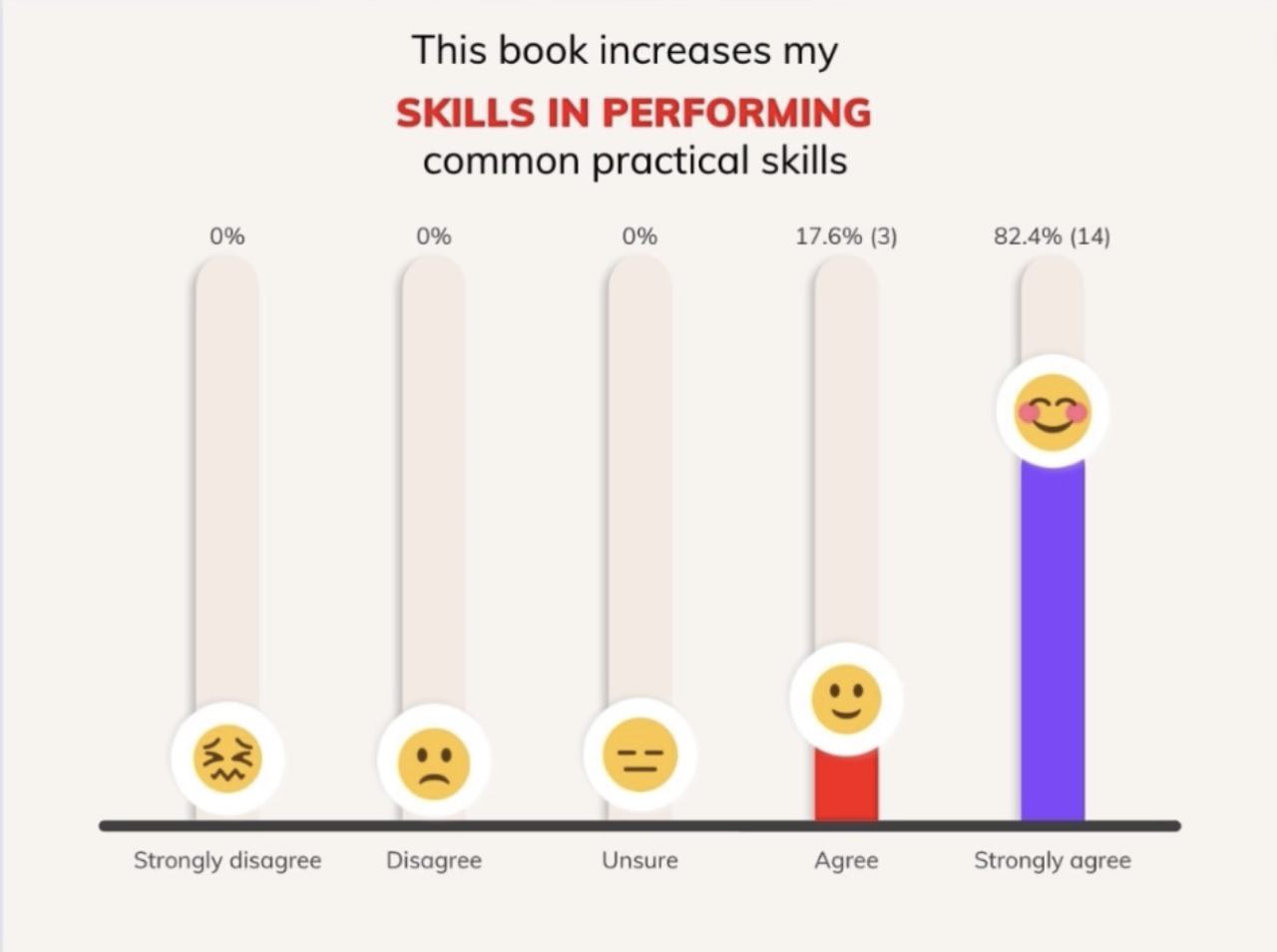
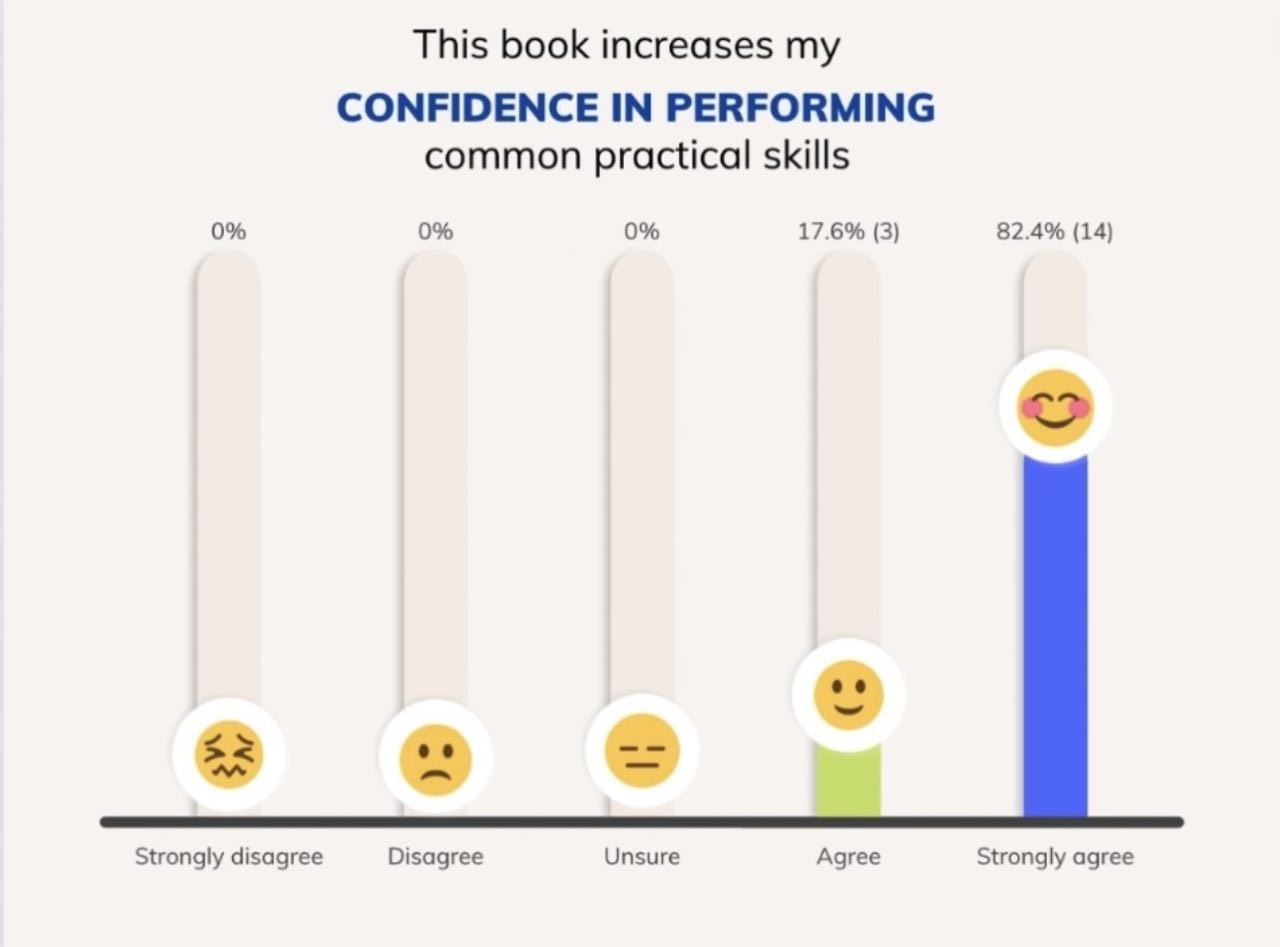
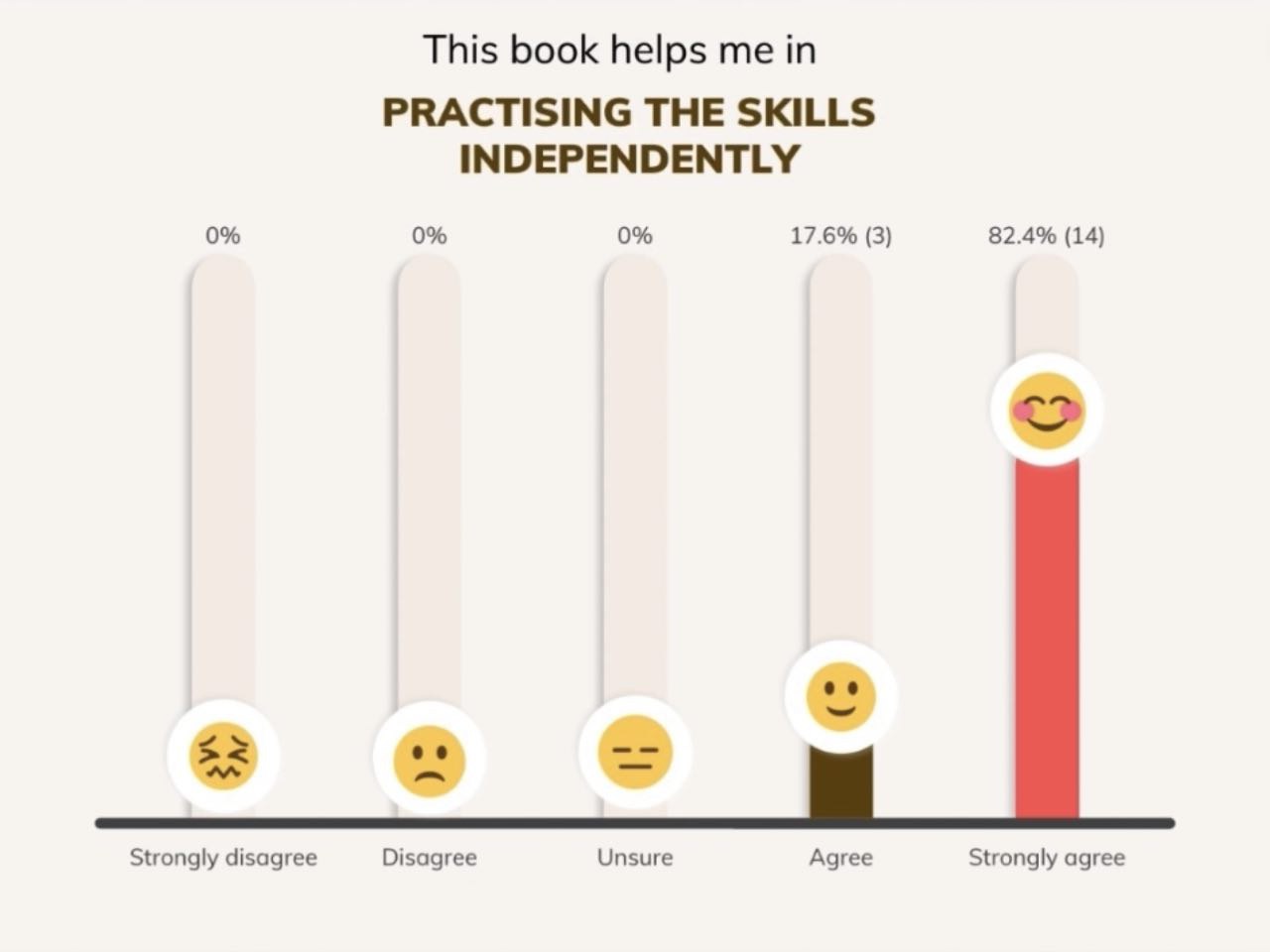
This innovation was developed in alignment with my teaching philosophy, which emphasises self-directed and experiential learning. The e-book or physical book, supported by step-by-step video demonstrations, allows students to independently learn and practise essential primary care skills before encountering real patients. This approach reflects my teaching method, which prepares students through guided exposure and reinforces learning through practice and feedback.
The innovation's creativity lies in integrating visual demonstrations with structured content to support independent learning. It is original, tailored specifically to primary care skills within my teaching context, significant in addressing students’ lack of confidence in performing procedures, and relevant to the need for flexible, accessible learning resources.
Students are required to observe, interpret, and apply procedural steps, thereby promoting higher-order thinking skills.
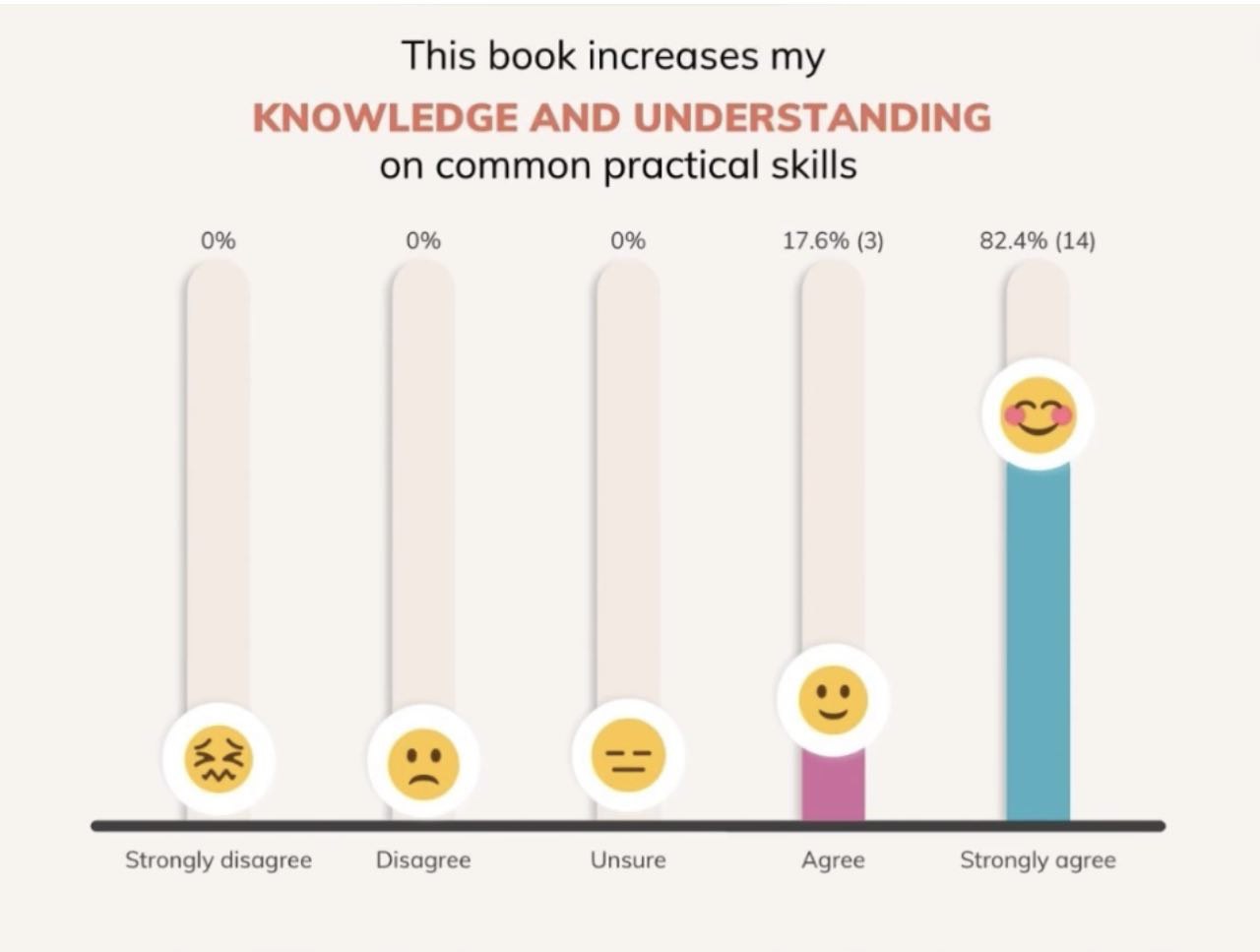
This innovation improves student performance, with students demonstrating greater confidence and preparedness, and better technical execution during practical sessions.
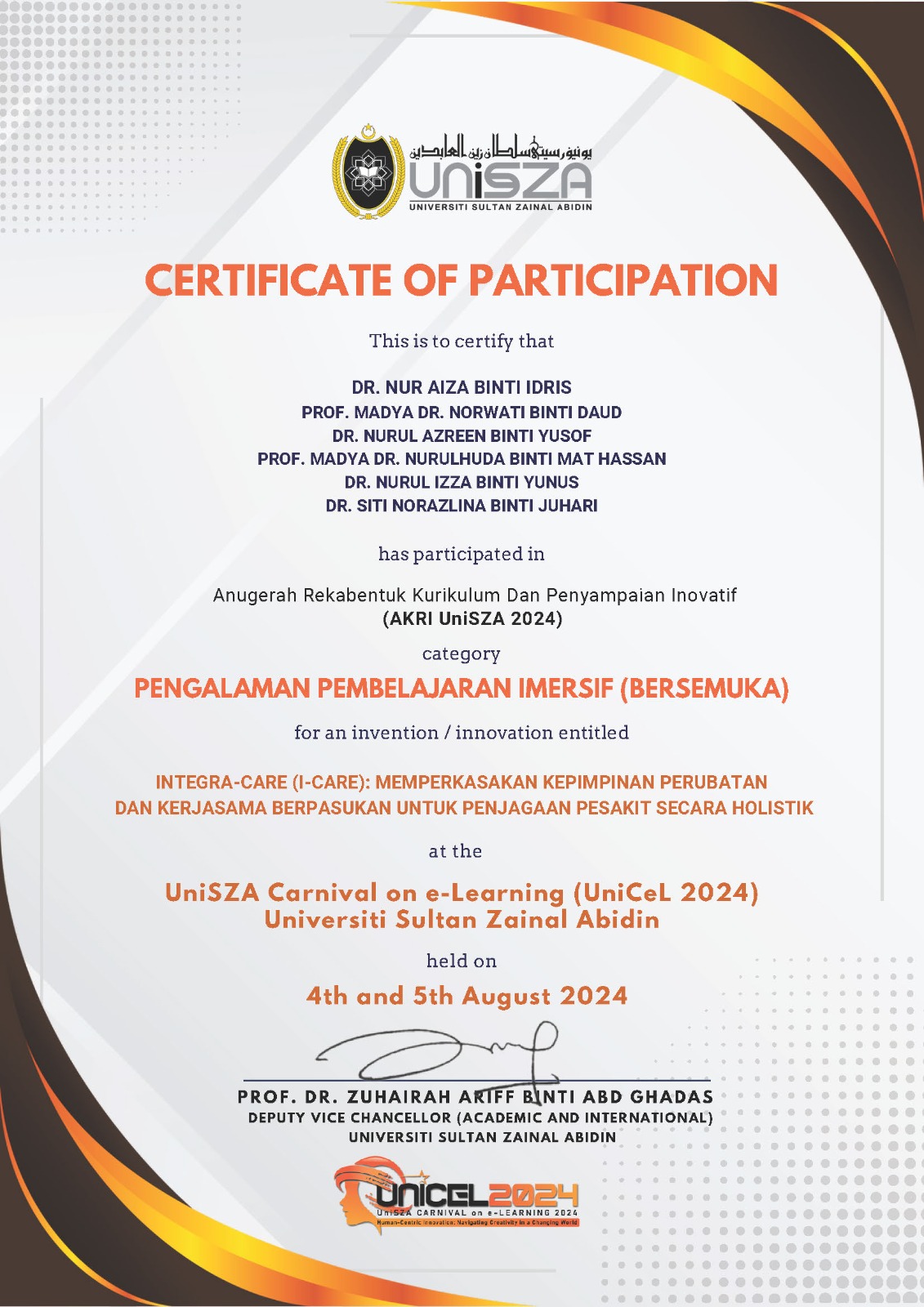
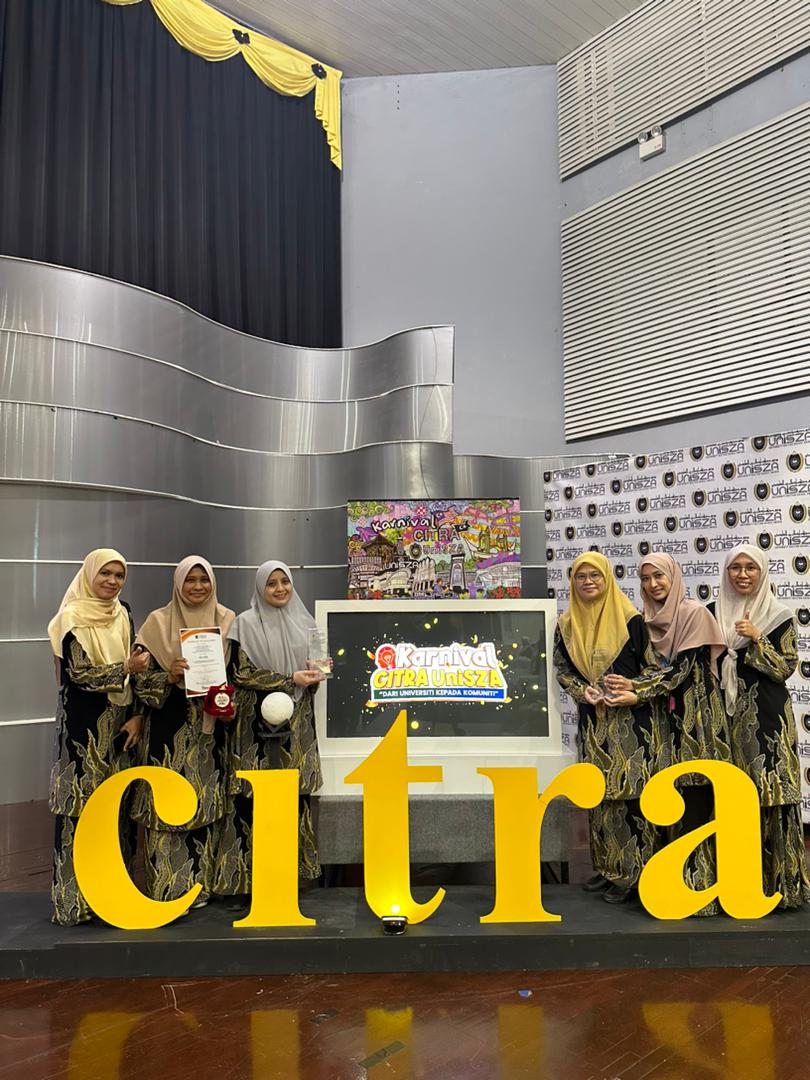
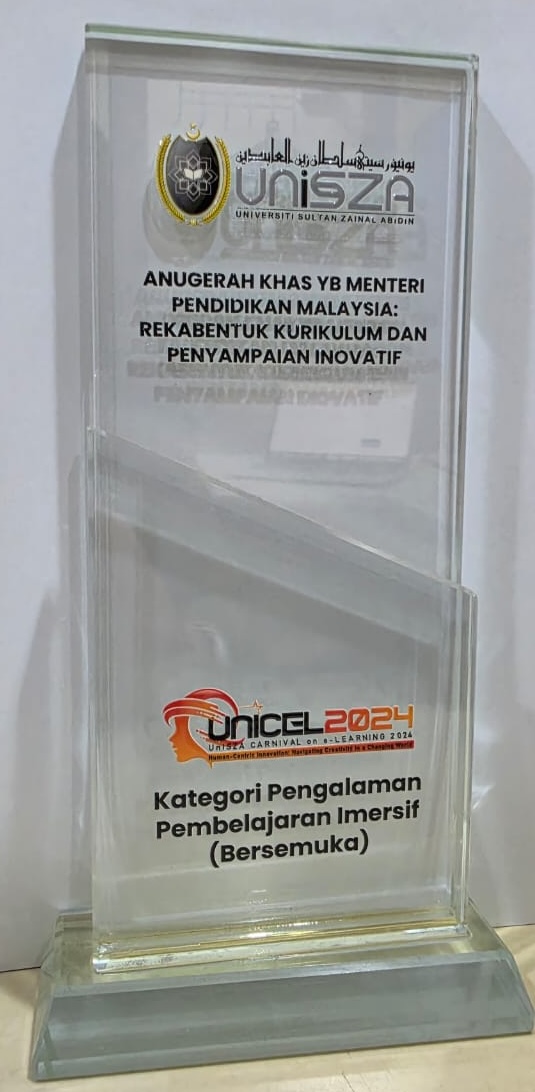
Awards

Impacts on students
__________________________________________________________________________________________________________________________________________________________________________________________________________________________________________________
PROJECT 02
__________________________________________________________________________________________________________________________________________________________________________________________________________________________________________________
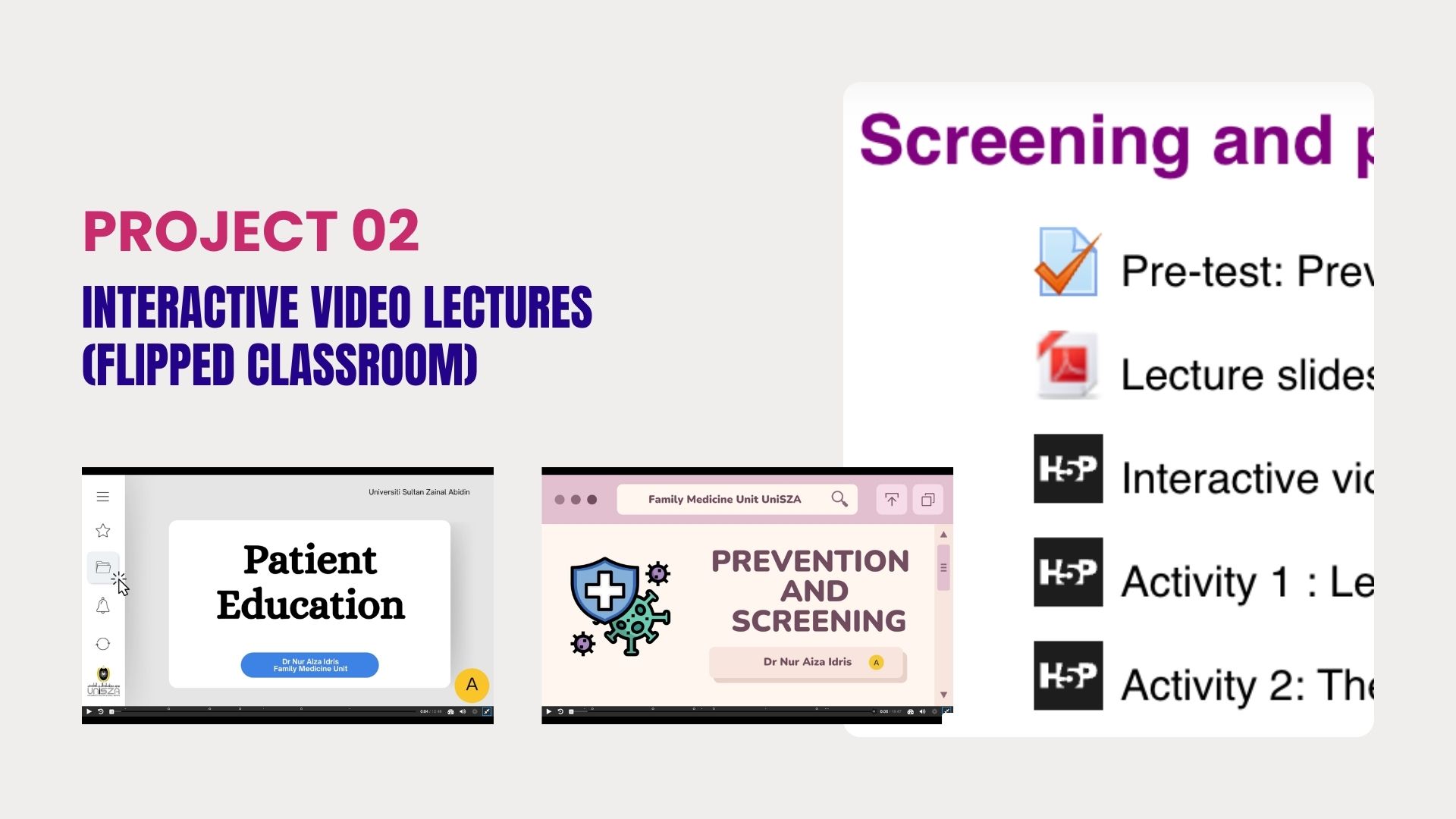
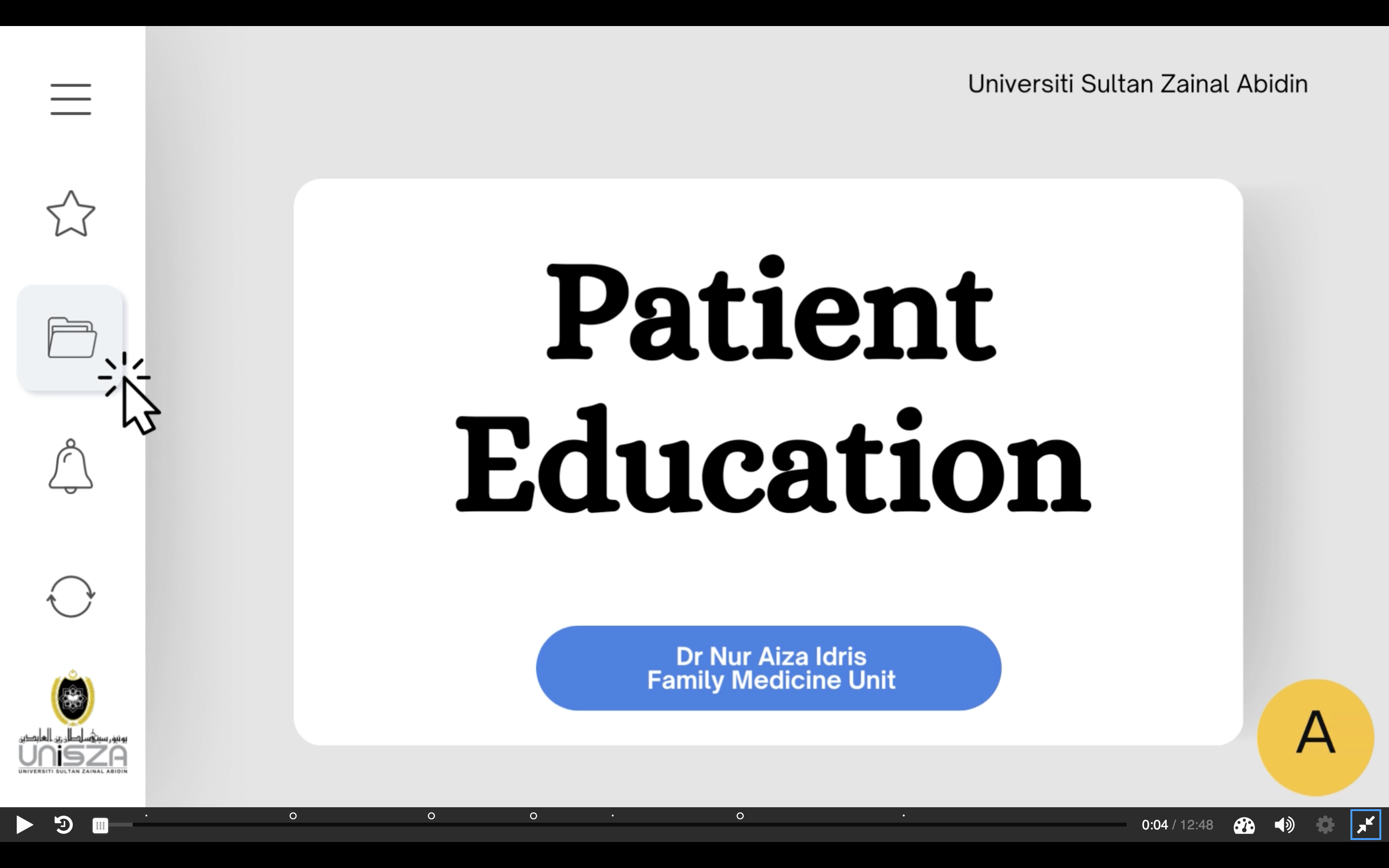
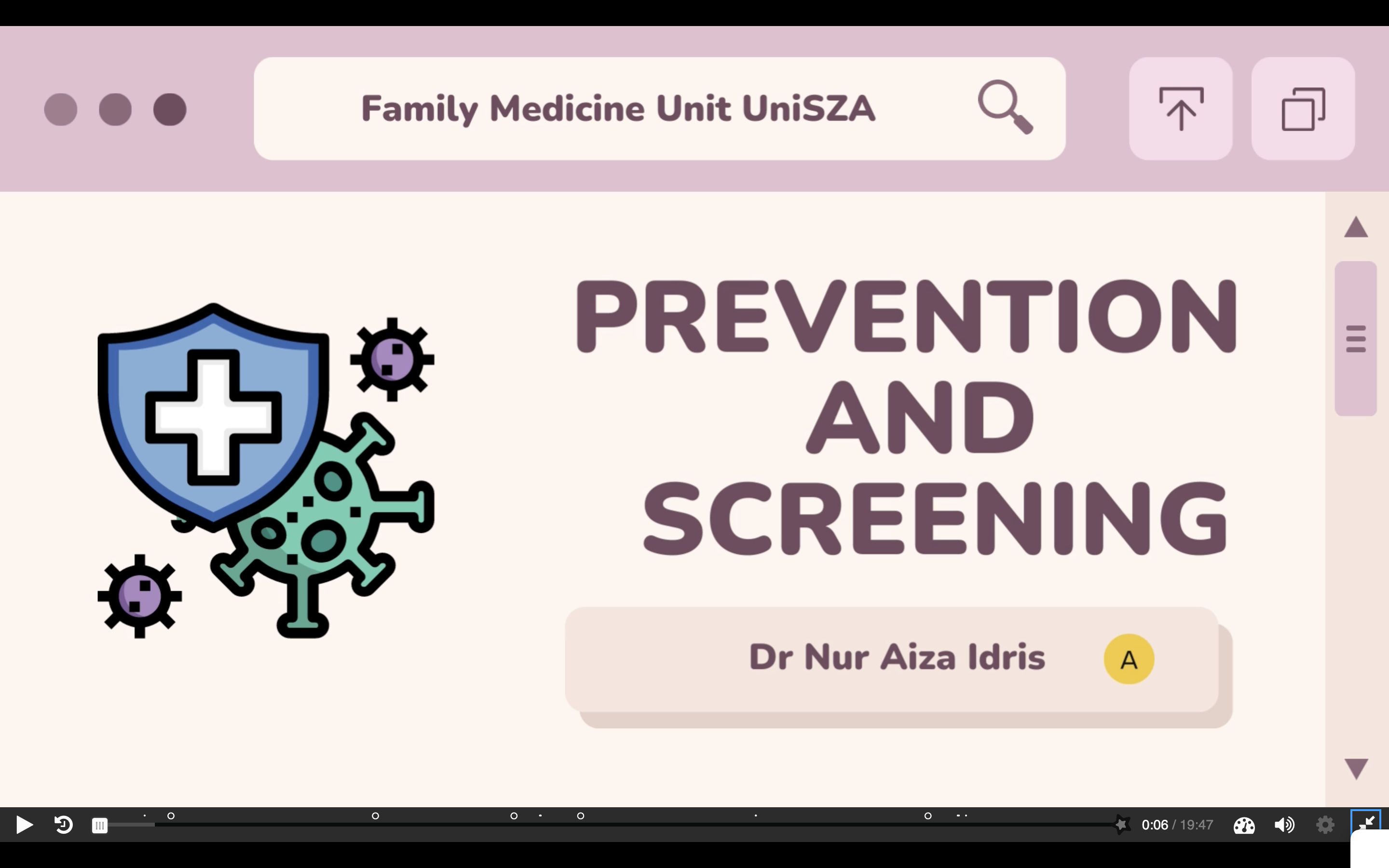
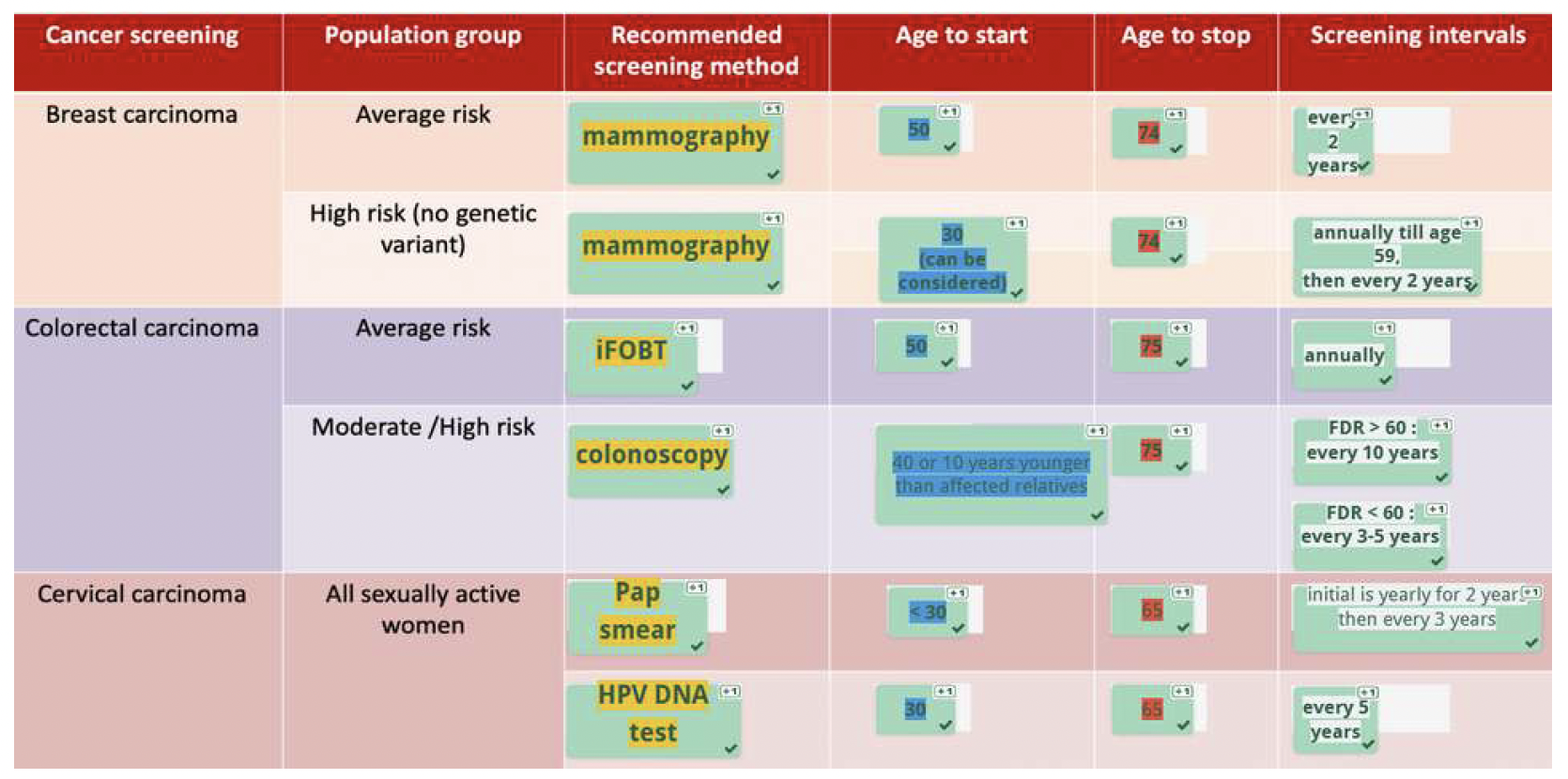
In line with my philosophy of active, student-centred learning, I developed recorded interactive lectures to support flexible, self-directed learning. These lectures are embedded with questions and activities to ensure that students actively engage with the content rather than passively consuming information.
This innovation is original in its design, combining video delivery with interactive elements; significant in addressing passive learning and reduced attention during lectures; and relevant to current digital learning environments.
Students are encouraged to pause, think, and respond to clinical questions during the lecture, promoting higher-order thinking skills through analysis and application of knowledge. The content is aligned with assessment formats such as OBA and PBQ, which require clinical reasoning and decision-making.
The impact of this approach is reflected in improved engagement and understanding, with students demonstrating better knowledge retention and more active participation in subsequent discussions.
__________________________________________________________________________________________________________________________________________________________________________________________________________________________________________________
PROJECT 03
__________________________________________________________________________________________________________________________________________________________________________________________________________________________________________________
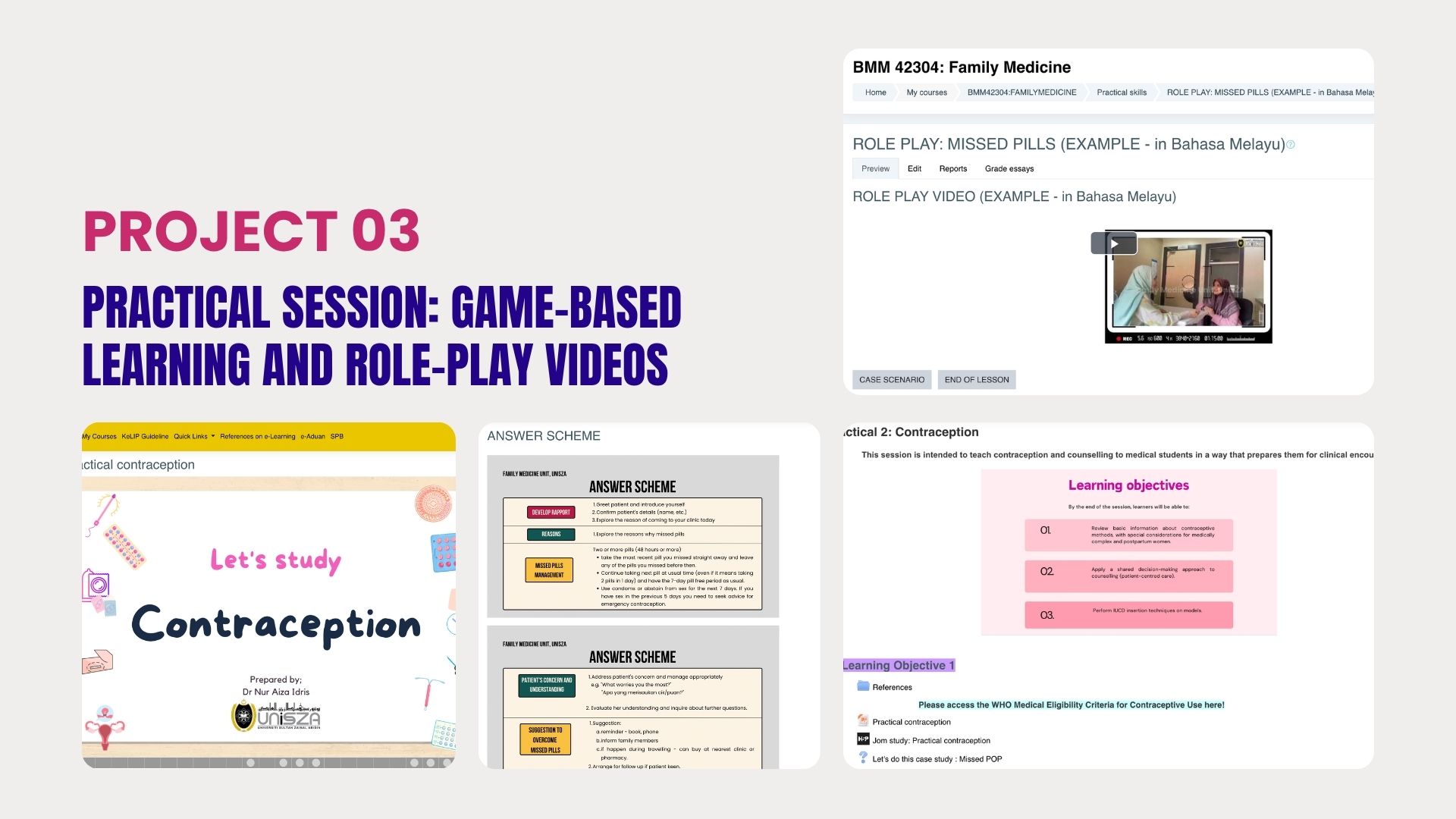
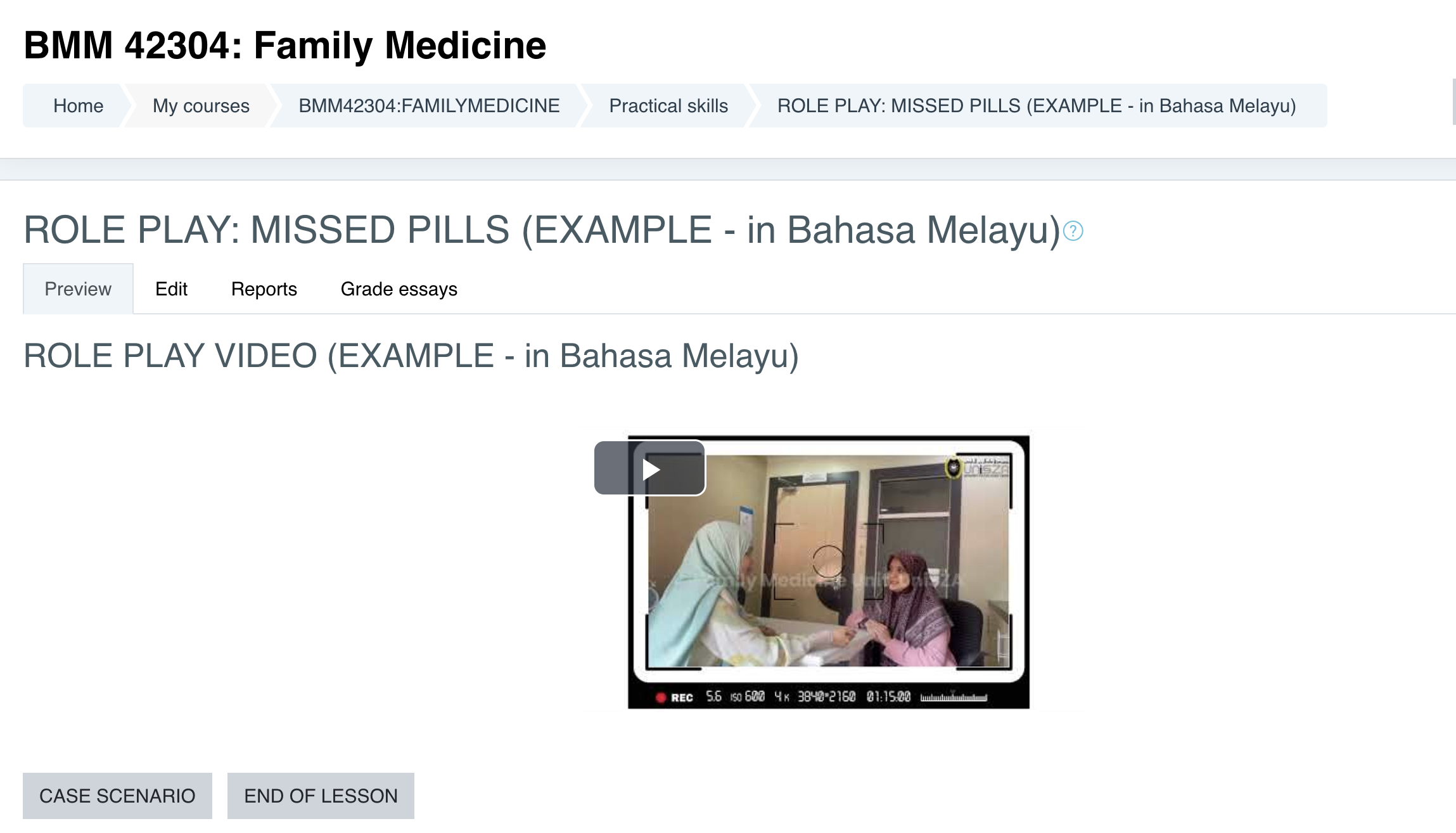
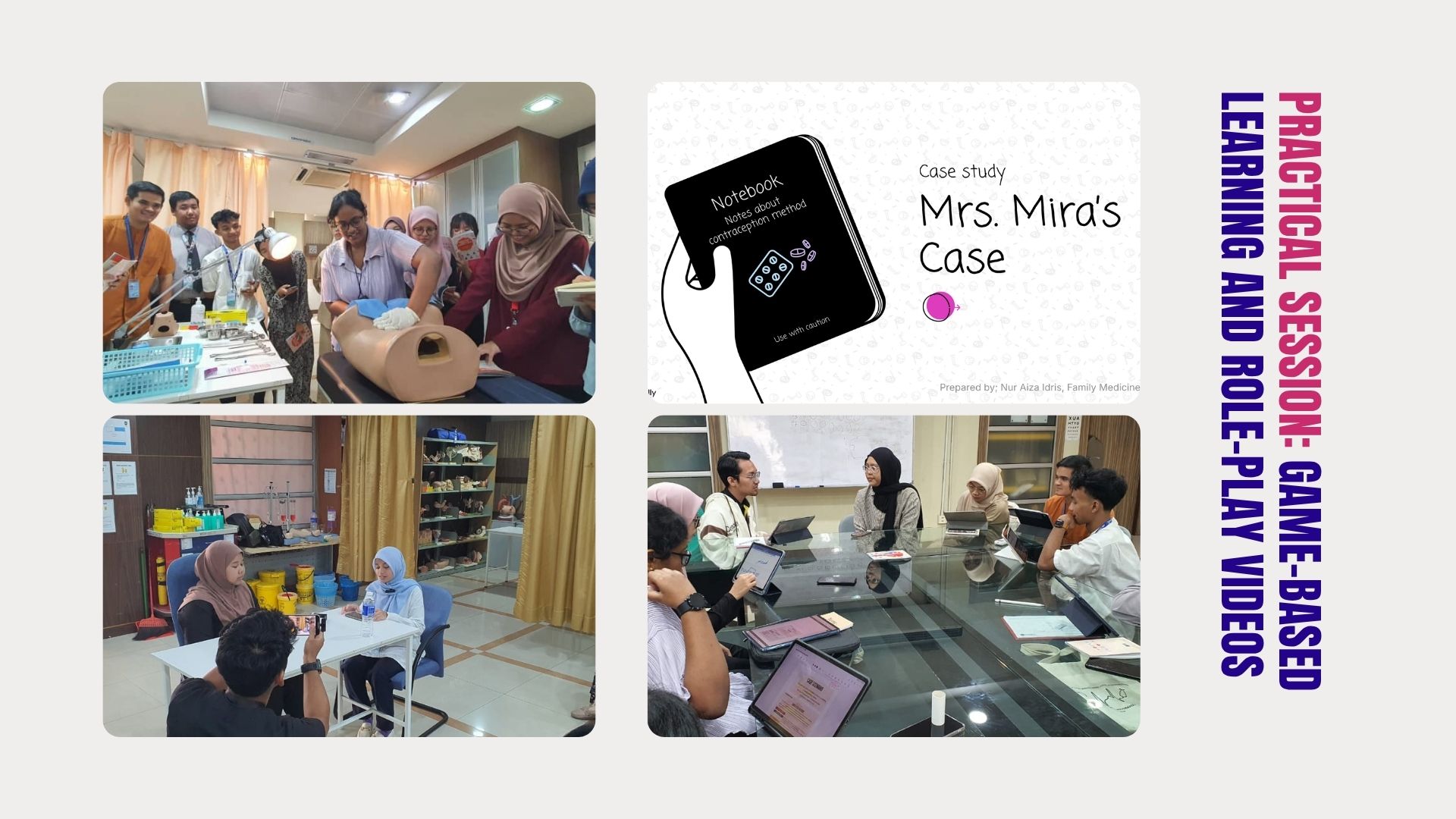
This innovation supports my teaching philosophy of experiential and interactive learning, particularly in developing communication and consultation skills. Game-based learning and role-play videos were introduced to simulate real-life patient interactions, allowing students to observe and practise clinical communication in a safe environment.
The creativity lies in transforming traditionally didactic topics into engaging, scenario-based learning experiences. It is original within my teaching context, significant in improving communication skills, and relevant to patient-centred care in Family Medicine.
Students are required to analyse scenarios, choose appropriate communication strategies, and justify their approach, thereby promoting higher-order thinking skills. This aligns with OSCE assessments, which evaluate students on communication and professionalism.
This approach has led to improved student confidence, more effective communication during simulated and real patient interactions, and higher-quality performance in clinical assessments.
_______________________________________________________________________________________________________________________________________________________________________________________________________________________
_______________________________________________________________________________________________________________________________________________________________________________________________________________________
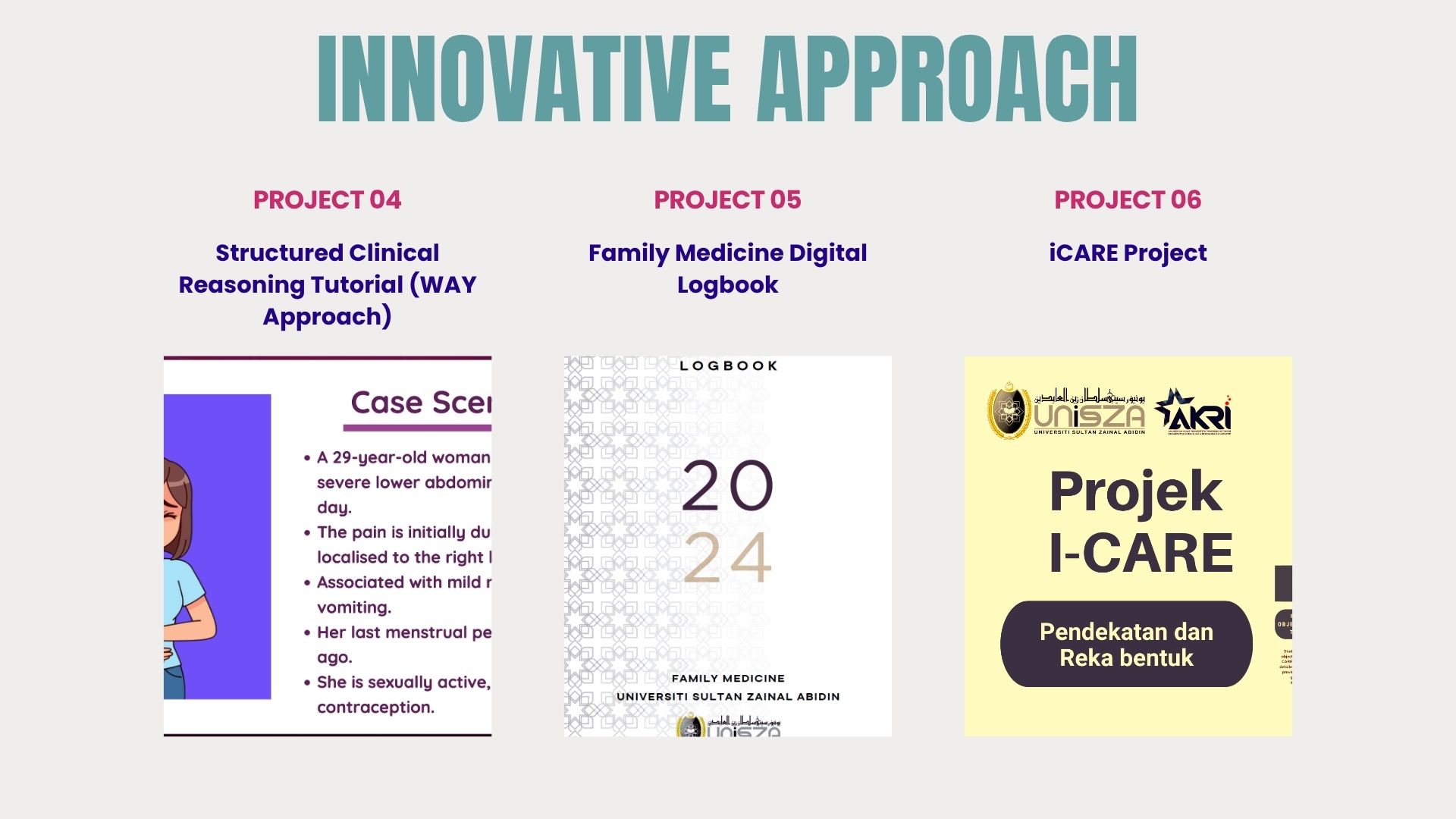
PROJECT O4
_______________________________________________________________________________________________________________________________________________________________________________________________________________________
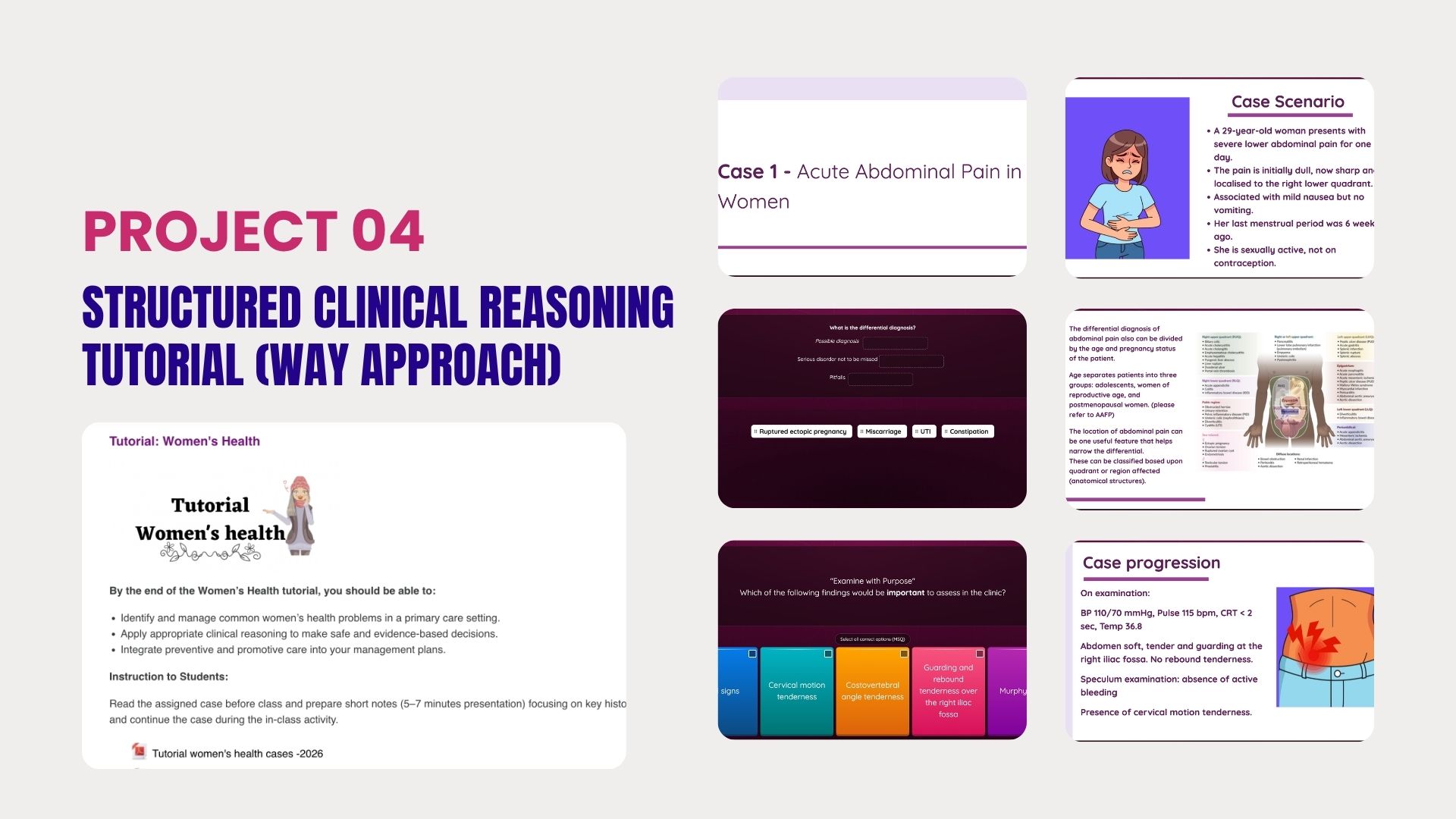
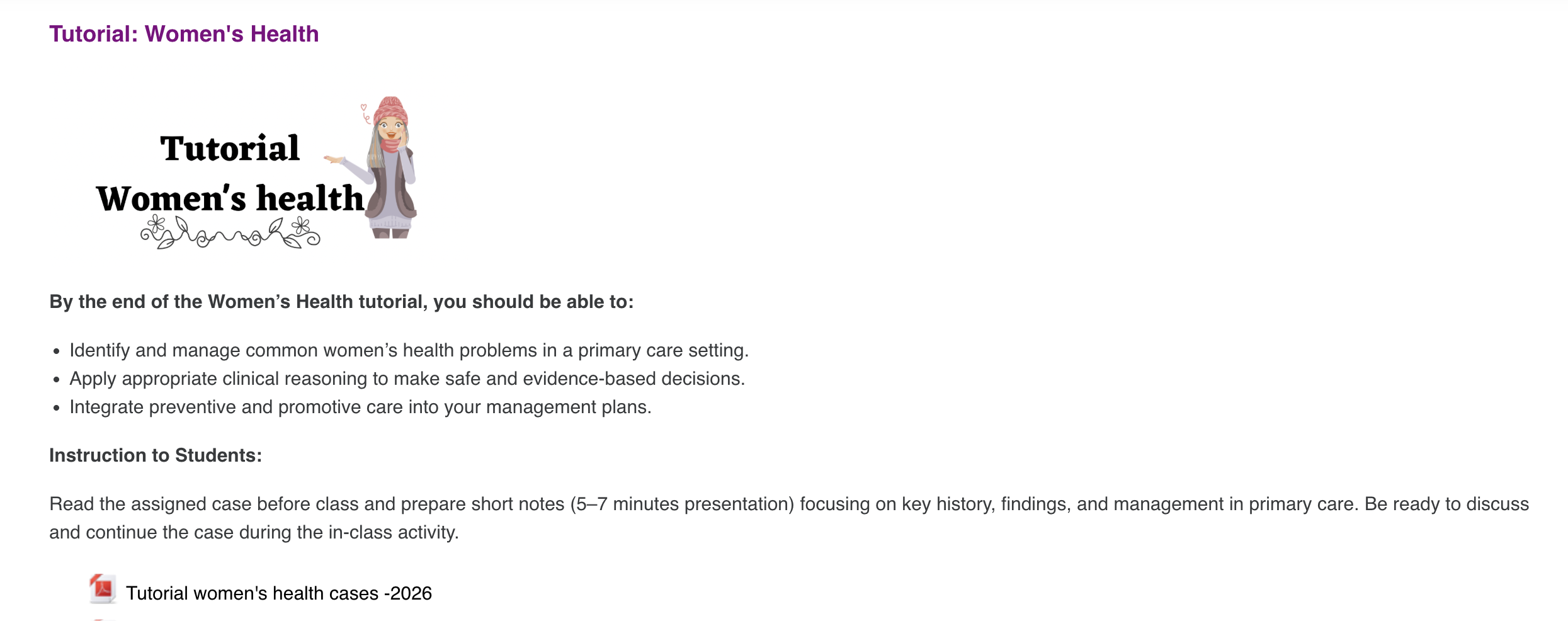
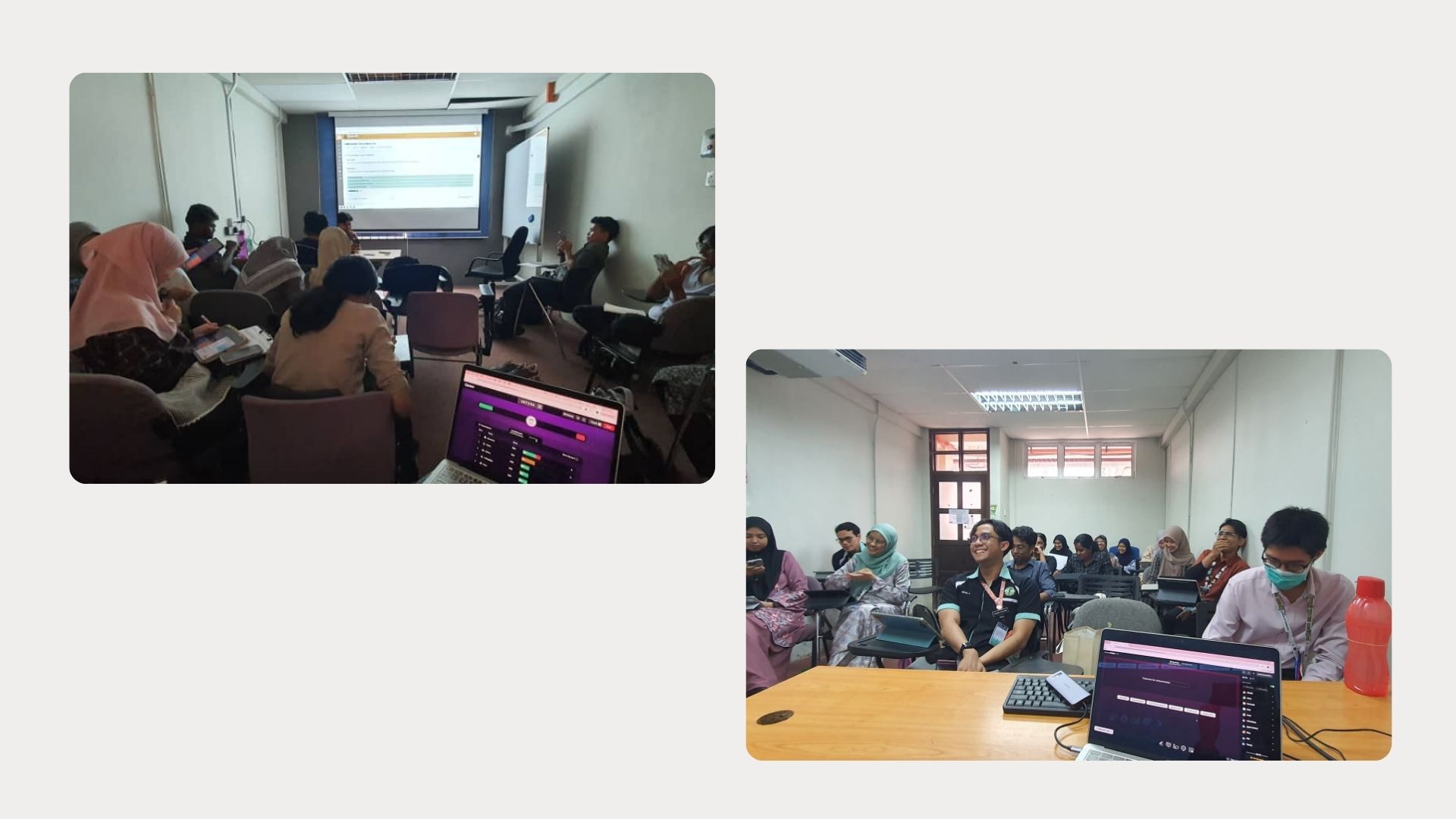
This approach reflects my philosophy that students must actively engage in thinking and decision-making. During tutorials, students work through multiple simulated cases based on real clinical scenarios, guided by a structured reasoning process.
The innovation is original in its structured facilitation of clinical reasoning, significant in addressing students’ difficulty in applying knowledge, and relevant to the nature of primary care practice.
Students are required to analyse, synthesise, and evaluate clinical information, promoting higher-order thinking. This approach is closely aligned with PBQ, OBA, and OSCE assessments, which require structured clinical reasoning.
The impact is evident in improved student engagement during tutorials, more organised thinking, and stronger performance in clinical discussions and assessments.
__________________________________________________________________________________________________________________________________________________________________________________________________________________________________________________
PROJECT 05
__________________________________________________________________________________________________________________________________________________________________________________________________________________________________________________

__________________________________________________________________________________________________________________________________________________________________________________________________________________________________________________
PROJECT 06
__________________________________________________________________________________________________________________________________________________________________________________________________________________________________________________