 UniSZA ID
Falsafah Pengajaran dan Pembelajaran
My Teaching Philosophy
To me, teaching medicine is not only about transferring knowledge. It is about preparing students to care for another human being.
In medical education, our “subject” is not just disease, diagnosis, or treatment. At the centre of everything is a person, a patient with feelings, fears, hopes, family, culture and life circumstances. Because of this, I believe that medical students must be guided to develop not only clinical knowledge and skills, but also empathy, communication, professionalism, teamwork and compassion.
As a Family Medicine lecturer, I often remind myself that I am not only teaching students to become doctors. I am helping them grow into safe, caring, reflective and responsible doctors who can serve patients and communities with both competence and kindness.
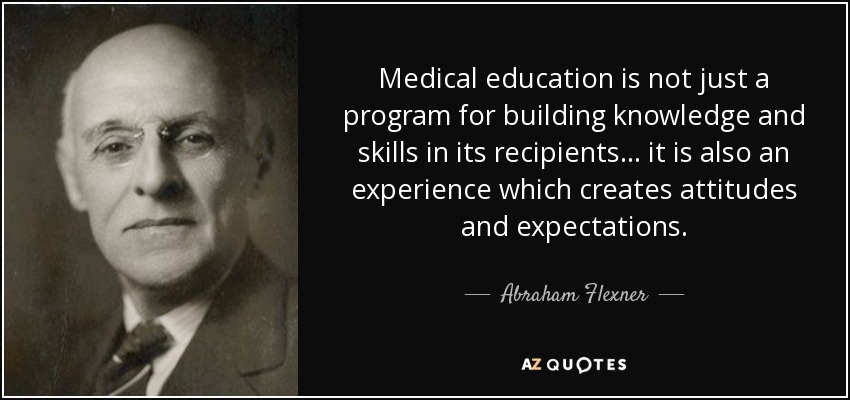
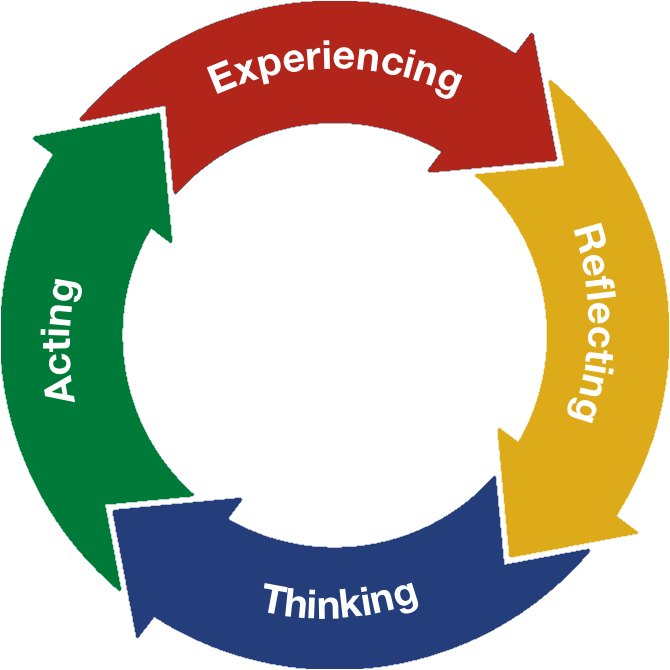
My teaching is strongly influenced by experiential learning. I believe students learn best when they are given the opportunity to experience, reflect, think, practise, and improve. In medicine, many important lessons happen when students meet real patients, discuss real problems, make sense of what they have seen and reflect on what they could do better. For me, learning becomes meaningful when students can connect theory with real-life clinical practice.
I also believe that every student has his or her own strengths. Some students are good communicators, some are careful thinkers, some are natural leaders, some are creative and some may be quiet but very observant and reflective. My role as a teacher is to recognise these strengths, guide students to use them well and encourage them to learn from one another. I believe that students grow better when they feel supported, respected, and safe to ask questions, make mistakes and improve.
LEARNING THEORY
Experiential Learning Theory is the theory that guides me through my journey of being an educator. I believe in learning through experience.
Coined by Kolb (1984), learning is through having the experience, reflecting, thinking and practise what one has learned.
MY PASSION FOR TEACHING
Teaching has always been something that I enjoy deeply. I like bringing creativity into my teaching, whether through interactive sessions, online learning, videos, game-based learning, clinical discussions, reflection or small group activities. I believe that today’s students, especially Generation Z and the emerging Generation Alpha, learn in different ways. Therefore, teaching should also evolve. While traditional lectures still have their place, students should be exposed to a variety of learning methods that encourage participation, curiosity, discussion and active engagement.
Technology has opened many new possibilities in teaching. When used meaningfully, it can make learning more flexible, interactive, and enjoyable. However, I also believe that technology should not replace the human touch in medical education. Instead, it should support good teaching, strengthen student engagement and help students learn in ways that are relevant to their generation.
My philosophy of teaching is also aligned with the broader direction of Malaysian higher education, which emphasises holistic graduates, lifelong learning, communication skills, ethics, thinking skills, leadership, and national as well as community contribution. In medical education, these values are especially important because the outcome of our teaching will eventually affect patient care and society.
Ultimately, my goal as an educator is to create learning experiences that are meaningful, practical, reflective and human-centred. I hope that my students will leave my teaching not only with better medical knowledge, but also with greater confidence, empathy, humility and readiness to serve. For me, the success of teaching is not only seen in examination results, but also in the kind of doctors our students become.
My Educational philosophy summary
My philosophy of medical education is grounded in the belief that the true purpose of training future doctors extends beyond developing clinical expertise. At its core, medical education should cultivate compassionate, ethical, and reflective practitioners who place patients’ lives, values, and experiences at the center of care.
I advocate for a holistic approach to learner development, where clinical competence is nurtured alongside empathy, communication skills, professionalism, ethical reasoning, and leadership. Success in medical education should not be measured solely by examination results, but by the character, integrity, and humanity demonstrated by graduates in their service to patients and society.
To achieve this vision, I embrace modern, learner-centered pedagogies that promote active engagement and meaningful learning. Drawing on experiential learning principles, I encourage students to learn through a continuous cycle of experience, reflection, critical thinking, and application. Recognising the learning preferences of today’s students, I integrate interactive, technology-enhanced, and game-based approaches that foster curiosity, collaboration, and lifelong learning.
At the same time, I believe technology should enhance rather than replace human connection. Digital tools are most valuable when they strengthen engagement, feedback, and accessibility while preserving the interpersonal relationships that lie at the heart of medicine.
Ultimately, my goal is to educate doctors who are not only clinically competent but also compassionate, reflective, and committed to delivering person-centred healthcare in an ever-evolving world.